
Blog · northern Tenerife
What to see in Puerto de la Cruz in one day
Puerto de la Cruz is fifteen minutes downhill from the estate, and it's where we send guests when Teide wakes up under cloud. It was the first tourist destination in the Canary Islands, long before the south existed, and it shows: gardens two centuries old, a fishing quarter that is still a fishing quarter, and a set of seawater pools that happen to be a protected work of art. A well-organised day covers all of it.
The botanical garden that isn't in La Orotava (despite the name)
It's called the Jardín de Aclimatación de La Orotava, and it's in Puerto de la Cruz. It's the island's most common mix-up and it has a historical explanation: when it was founded, all this territory was the Orotava Valley, and Puerto de la Cruz was its port. Taxi drivers are used to it by now, but it's worth knowing before you type it into the satnav.
It was created on 17 August 1788 by Royal Order of Carlos III, with an idea that sounds odd today: to acclimatise here the tropical plants arriving from America and Asia, so they would survive the onward journey to Madrid and the royal gardens of Aranjuez. The task fell to Alonso de Nava Grimón, sixth Marquis of Villanueva del Prado. Work began in 1790 to plans by the architect Diego Nicolás Eduardo, and the first 35 seeds went into the ground in 1792. It is the second-oldest botanical garden in Spain, behind only the Real Jardín Botánico in Madrid.
The plan to acclimatise tropicals for Aranjuez failed — Madrid freezes and this place doesn't — but the plants stayed and have been growing for two hundred years. Across roughly two hectares of straight paths and ponds there are species you won't find together anywhere else in Europe.
What everyone remembers is the Australian fig, a Ficus macrophylla around two hundred years old whose aerial roots drop from the branches and form a kind of hall of columns you can walk through. Entry is €3 and it opens 9:00 to 18:00 every day. Tickets are sold at the gate, not online.
One note for anyone left wanting more: in the old town of La Orotava sits the Hijuela del Botánico, this garden's smaller sibling, listed as a site of cultural interest. That one is where its name says it is.

Lago Martiánez: swimming inside a work of art
In the north the sea is usually rough and the beaches are small, so in the 1970s the problem was solved by building the swim. César Manrique designed an artificial seawater lake facing the Atlantic, playing with volcanic rock, gardens and terraces. It's protected as a site of cultural interest in the Historic Garden category, which is a formal way of saying you're bathing inside a sculpture.
There's a central lake and seven pools around it: four for adults and three for children. Open 10:00 to 19:00 in summer and until 18:00 the rest of the year.
- Adult: €5.50. Resident adult: €3.00.
- Children up to 10: €2.50. Resident children: €1.50.
- Resident pensioners: €2.00.
The old town, still a fishing town
You can walk the centre in a morning. Plaza del Charco is its heart and the name is literal: in the 17th century high tide left a large pool here, and locals ringed it with stones to trap the water and raise shrimp and small fish. Today it's a square of Indian laurel trees with terraces all round it.
A step away stands the Castillo de San Felipe, an early 17th-century fortification built to defend the coast against pirate raids; these days it hosts concerts and exhibitions. From there the coast runs on to the fishing quarter of Punta Brava. The church of Nuestra Señora de la Peña de Francia, the Mirador La Paz and the San Amaro chapel round off the walk.
If you're eating, eat here and order the catch of the day: it's a real working port and the menus show it.
Playa Jardín: black sand and Manrique again
Playa Jardín is really three black-sand beaches joined by a promenade, and the promenade was designed by César Manrique too, planted with native species and threaded with gardens you cross to reach the water. It has beach bars, a children's area, sun loungers, umbrellas, toilets and showers.
An honest warning: this is a northern beach and the sea has force here. Always check the flag before going in, and if you're with small children, Lago Martiánez is the better plan.
If you have an afternoon spare: the Rambla de Castro
Right next door, already in the municipality of Los Realejos, there's a coastal path of about 4 kilometres between the Mirador de San Pedro and the Mirador El Burgado. It's easy, almost flat, and alternates cobbles, track and trail. It crosses one of the best-preserved palm groves on the island, with the sea always below you.
Along the way you pass the San Pedro chapel, the San Fernando fort, the Castro family manor house and the ruins of the Gordejuela water lift, an early 20th-century steam engine that hauled water up the cliff and is now half of Instagram's favourite photo. You can start at the Mirador de San Pedro, which has a small car park, or from the Hotel Maritim area in Punta Brava.
How to fit it into one day
- Early morning: the Botanical Garden, while it's cool and empty. A good hour and a half.
- Mid-morning: down into the old town, Plaza del Charco, the castle and the harbour walk.
- Lunch in the centre, fish.
- Afternoon: Lago Martiánez or Playa Jardín, depending on whether you fancy rough sea or a pool.
- If the day is going well, finish with the Rambla de Castro late on, when the light over the palm grove is at its best.
- Loro Parque, if you're travelling with children, eats a whole day by itself: don't try to squeeze it into this plan. There's a free shuttle bus every 20 minutes from Plaza de los Reyes Católicos.
- Park in an underground car park in the centre and forget the car: everything on this list except the Rambla is walkable.
The advantage of being in the valley is that Puerto de la Cruz isn't an excursion, it's fifteen minutes from the rural house in La Orotava: you can drive down for dinner and come back, or rescue the afternoon of a day that woke up cloudy up here. If you're coming in winter, ask us about the tides before counting on the beach.
José Martín
Host of Hacienda Verde. He has spent years welcoming guests and exploring the Orotava Valley and Mount Teide.
Sleep in the valley, not on the coast.
Three rural houses inside an ethnographic park in La Orotava, 20-30 minutes from Mount Teide. You gain time and sleep surrounded by nature.
Keep reading
A birthday or a family lunch at a Tenerife estate: what to ask
Read
Accommodation with a view of Mount Teide
Read
Where to hold a wedding in Tenerife
Read
A romantic break in northern Tenerife
Read
Getting to La Orotava and around the north
Read
An intimate wedding in Tenerife
Read
Tenerife villa with a pool
ReadWhere to stay in Tenerife: north or south
ReadA wedding at a Tenerife estate
Read
Tenerife in October and November
Read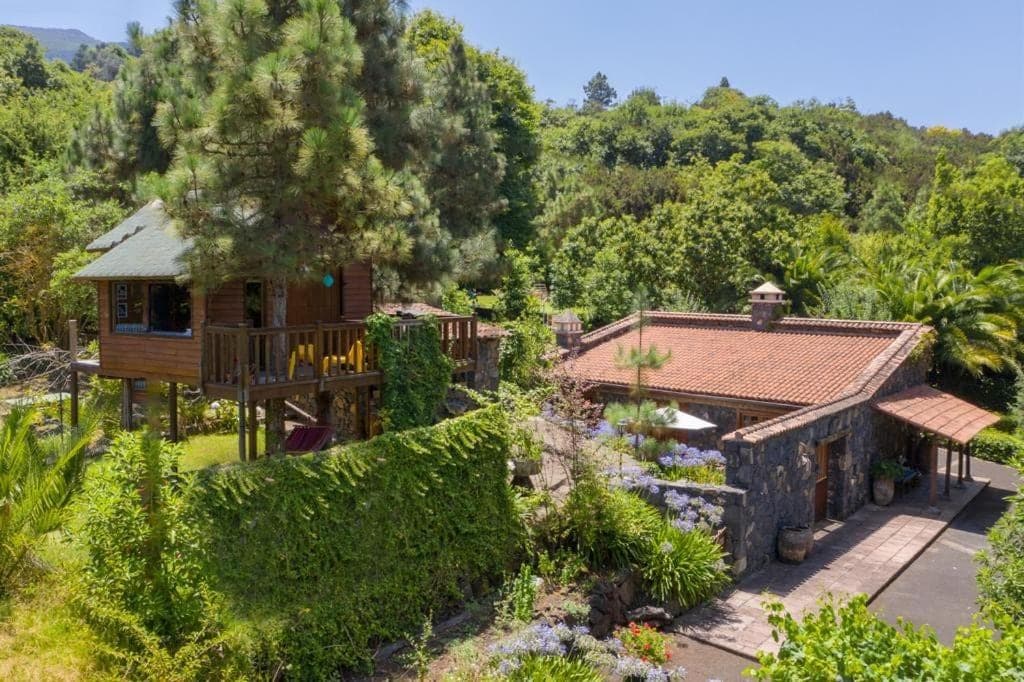
What to See in the Orotava Valley
Read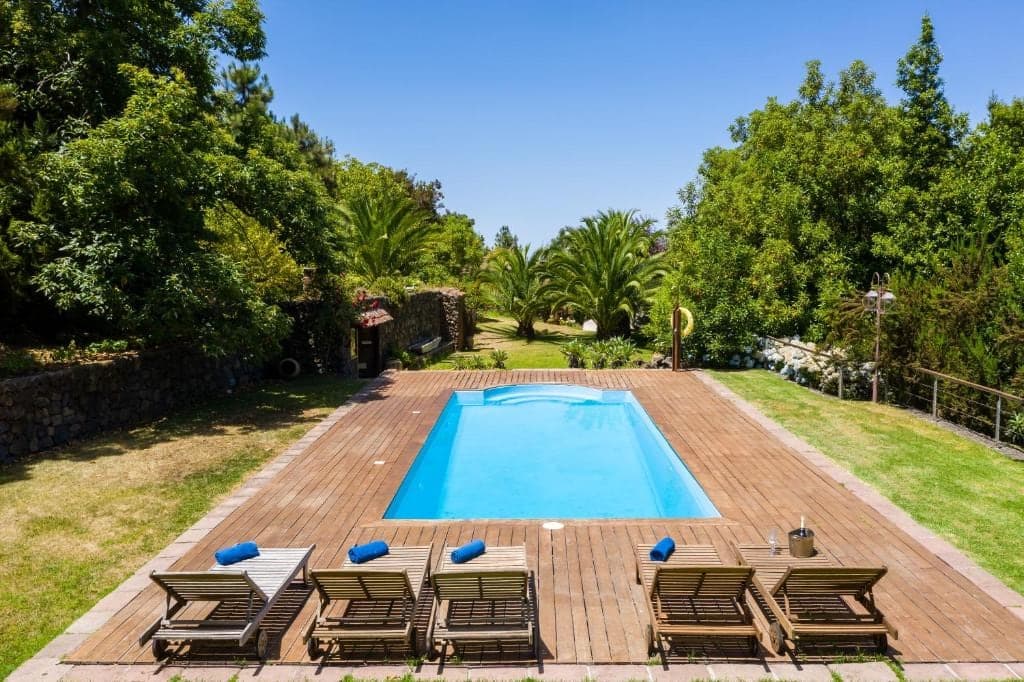
The Best Mount Teide Hikes from La Orotava
ReadWhen to Visit Tenerife: The North Coast Climate, Month by Month
ReadThe Permit to Climb Mount Teide
Read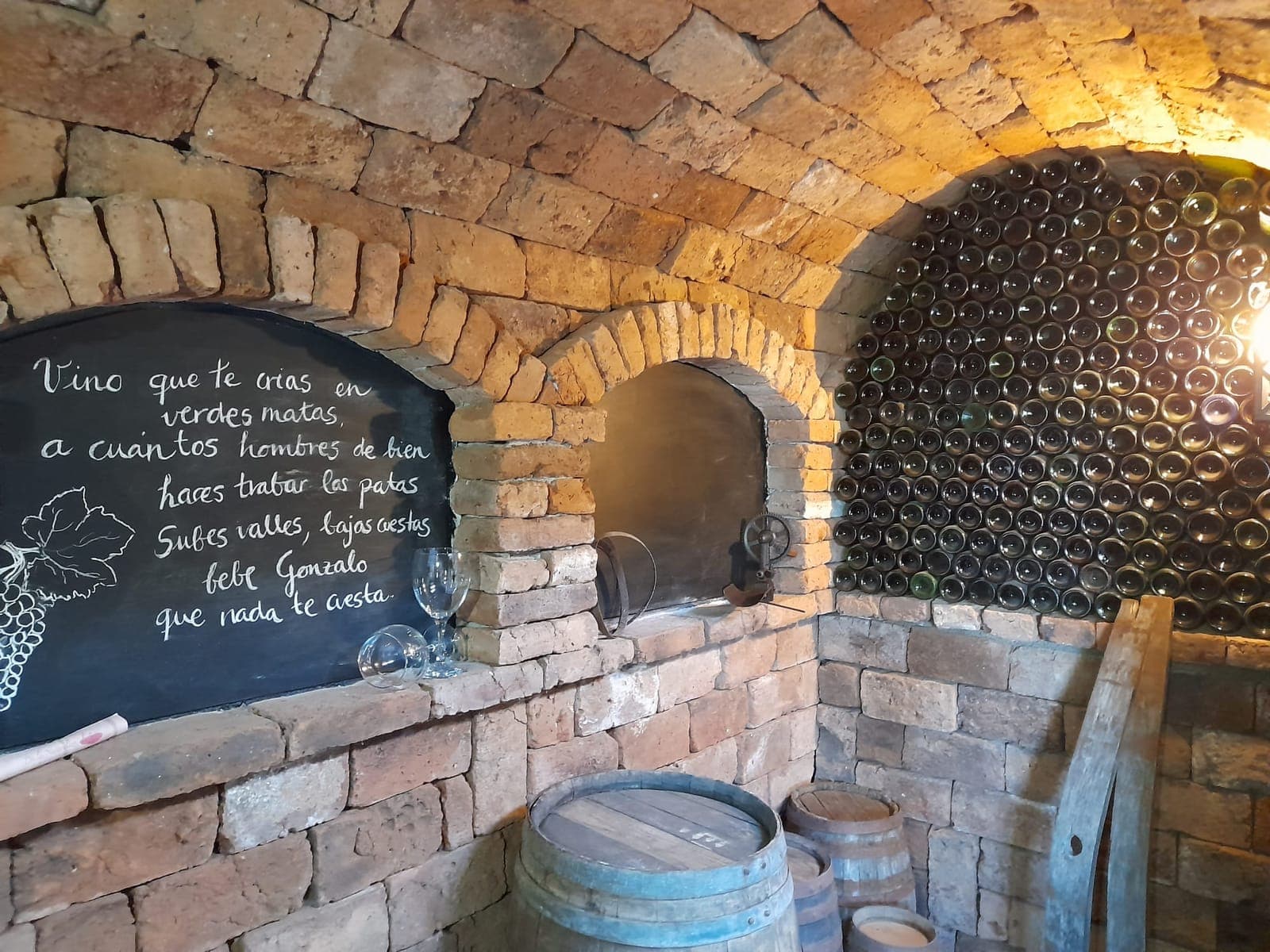
Guachinches in Tenerife: Which Ones Are the Real Thing
Read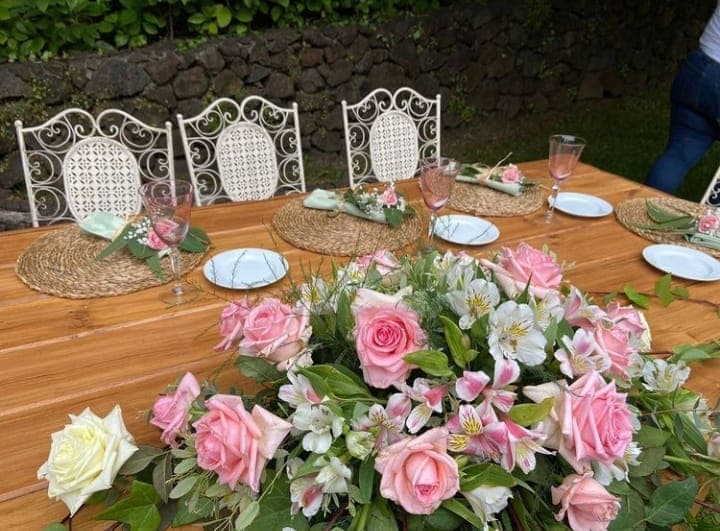
Can you get married in Tenerife? What couples from abroad do
Read