Blog · northern Tenerife
What to see in La Orotava: the old town, the valley and the plan of someone who sleeps here
La Orotava is a town on a slope. The old quarter runs downhill from the Plaza de la Constitución to the church of La Concepción with a drop you feel in your legs, and that decides how you visit it: start at the top and walk down. We live in the valley, five to fifteen minutes from the old town depending on traffic, and this is what we show guests who ask what to see in La Orotava and how long it takes. Short answer: the old town, one morning; the whole valley, two or three days.
The old town in a morning, street by street and downhill
Start at the Plaza de la Constitución, the upper square, with its bandstand and the Liceo de Taoro building. Two steps from there are the Victoria Gardens — the gardens of the Marquis of La Quinta Roja — laid out in terraces with a white marble mausoleum at the top and the valley and Teide in front. They're free, and the best place to understand where you are: the town, the banana plantations down to the sea, the summit behind.
Walking down you reach the Hijuela del Botánico, a small garden beside the town hall with a two-hundred-year-old dragon tree, and the town hall square itself, where every June the Corpus Christi carpet of Teide sands is made. A little further down, the Casa de los Balcones, from 1632: the house with the carved pine balconies that is in every photo of the town, and an inner courtyard worth the ticket. Opposite, Casa Lercaro, from the end of the sixteenth century.
Carry on to the church of La Concepción, the one with the dome, eighteenth century, and from there to the street of the mills: a line of old water-driven gofio mills stepping downhill, one of which, La Máquina, still grinds and sells gofio. If there's time left, the Museum of Ibero-American Crafts in the former convent of Santo Domingo. All of that is one unhurried morning, with a stop for coffee in a square.

The days when the old town is a different place
There are three dates on which La Orotava changes completely, and it's worth knowing them either to pick them or to avoid them. Corpus Christi, in June: flower carpets in the streets and the carpet of volcanic sand in the town hall square, made over one day and swept away by the procession that same evening. A few days later, the San Isidro pilgrimage, with ox carts and wine. And the afternoon of 5 January, the Three Kings parade, the biggest in the north.
On those days the town is full and parking does not exist: you come on foot or by bus from the valley. The rest of the year, the old town on a Tuesday morning is a quiet place where you can hear the bells of La Concepción.
Uphill: Aguamansa, La Caldera and Los Órganos
The valley climbs from the old town to the rim of Las Cañadas along the Teide road, the TF-21, and halfway up is what almost nobody on a day trip sees. Aguamansa, at about a thousand metres, is the village of the pine forest: chestnut trees, smallholdings and the La Caldera picnic area, with tables and parking, where the PR-TF 35 trails start. The full network is 13.3 kilometres, 570 metres of climbing and about six hours through pine and laurel woodland to Los Órganos, the columned basalt walls you can see from half the island; the short variant, the 35.2, is a loop of under two kilometres and an hour past the old water galleries, fine for an afternoon with children.
A little higher on the same road, the Humboldt viewpoint: the place where you see the whole valley at once, from Teide to the sea. All of this is twenty minutes from the estate, and it's what we do on a Saturday with no plan. The routes in more detail are in our guide to hiking from La Orotava.
Teide in a day from the valley
From the valley you're in the national park in twenty to thirty minutes, and that's the advantage of sleeping here rather than on the coast: you leave after breakfast, not before dawn. The route to start with is Roques de García, 3.7 flat kilometres around the Roque Cinchado; the cable car goes up to 3,555 metres and in winter the last ascent is at four; and to stand on the summit you need a free permit and weeks of notice. Get up early in summer: from midday the summit clouds over.
Cable car prices and hours and how to apply for the permit are in their own guides: visiting Teide by cable car and the permit to climb the peak. And if it snows, which happens several times between December and March, the island council closes the road from La Caldera until it's cleared: that day you don't go up.
Downhill: Puerto de la Cruz and the Los Realejos coast
Puerto de la Cruz is fifteen minutes away: the Botanical Garden, César Manrique's Lago Martiánez, the old fishing quarter and Playa Jardín, with its black sand. It takes half a day and has its own guide. Next door, in Los Realejos, the Rambla de Castro: an easy coastal path of about four kilometres through palm groves, past the San Fernando fort to a pebble beach, two hours there and back. It's the walk for the afternoon it doesn't rain.
And Anaga, if you have a day to spare: the laurel-forest massif about fifty minutes away, with the trails at Cruz del Carmen and the Pijaral, which needs a free permit with a daily quota. It's another world, damp and misty, and you come back to the valley to sleep.
Eating: guachinches and the valley's wine
La Orotava's wine has its own denomination of origin and a way of growing vines that exists nowhere else: the cordón trenzado, listán vines with their canes braided for metres along wooden forks. You see it in the mid-slopes on the way up to Aguamansa. And you drink it in the guachinches, which open when the new wine is ready, around St Andrew's Day, and close when it runs out: home cooking, three dishes, the house wine. They're not in the old town, they're in the mid-slopes, and they change every season; here is how they work, and we'll tell you which are open the week you come.
The day-by-day plan for guests who sleep at the estate
With two nights you do the old town and Teide; with three, everything above. From the estate the old town is five to fifteen minutes, Teide twenty to thirty and Puerto fifteen, so no day starts with an hour in the car.
- Day 1, the old town: the morning walking downhill from the Plaza de la Constitución to the mills; lunch in town and the afternoon in the estate's garden or the pool, which in summer you'll be glad of.
- Day 2, Teide: leave after breakfast, Roques de García or the cable car, lunch in Las Cañadas and, on the way down, a stop at the Humboldt viewpoint. A guachinche in the evening if it's the season.
- Day 3, the coast or the forest: Puerto de la Cruz in the morning and the Rambla de Castro in the afternoon; or all of Anaga, if it's closed in below and open above, or the other way round, which in the north happens.
- The day it rains: the Casa de los Balcones, the crafts museum and a long guachinche lunch. In the north it rains mostly from November to February, and even then the morning usually holds.
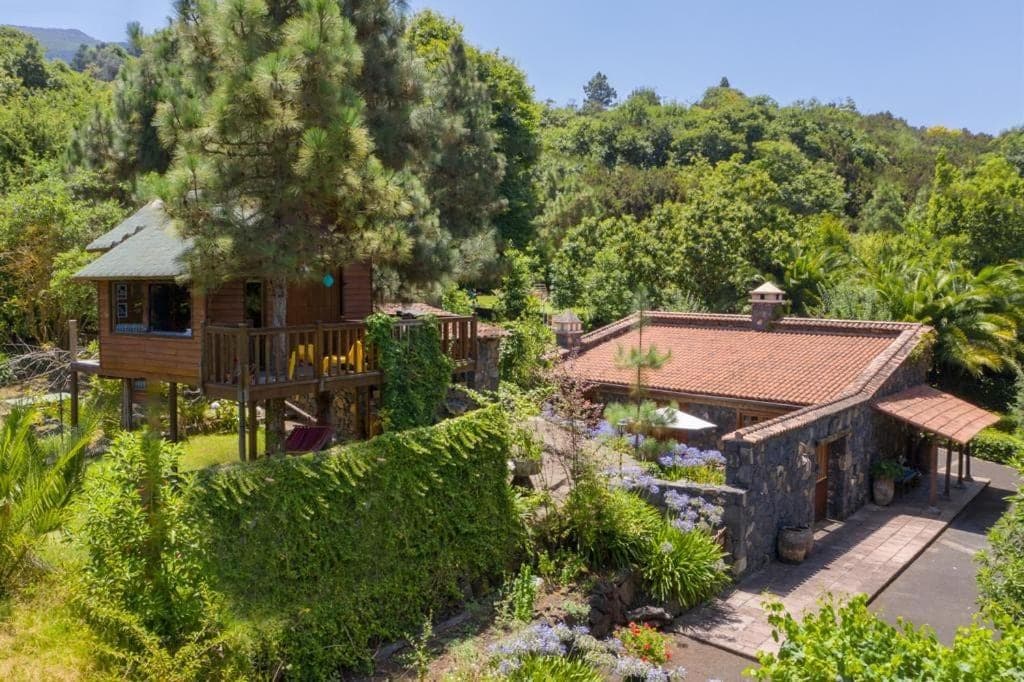
Three self-contained houses in a 17,000 m² ethnographic park, with Teide straight ahead and La Orotava's old town five to fifteen minutes away. Tell us your dates and what you most want — town, mountain or coast — and we'll set the order of the days by the weather that week.
José Martín
Host at Hacienda Verde. He has spent years welcoming guests and exploring the Orotava Valley and Mount Teide.
Sleep in the valley, not on the coast.
Three rural houses inside an ethnographic park in La Orotava, 20-30 minutes from Mount Teide. You gain time and sleep surrounded by nature.
Keep reading
Tenerife in February and March: carnival, blossom and snow
Read
North Tenerife with kids: where to stay and what to do
Read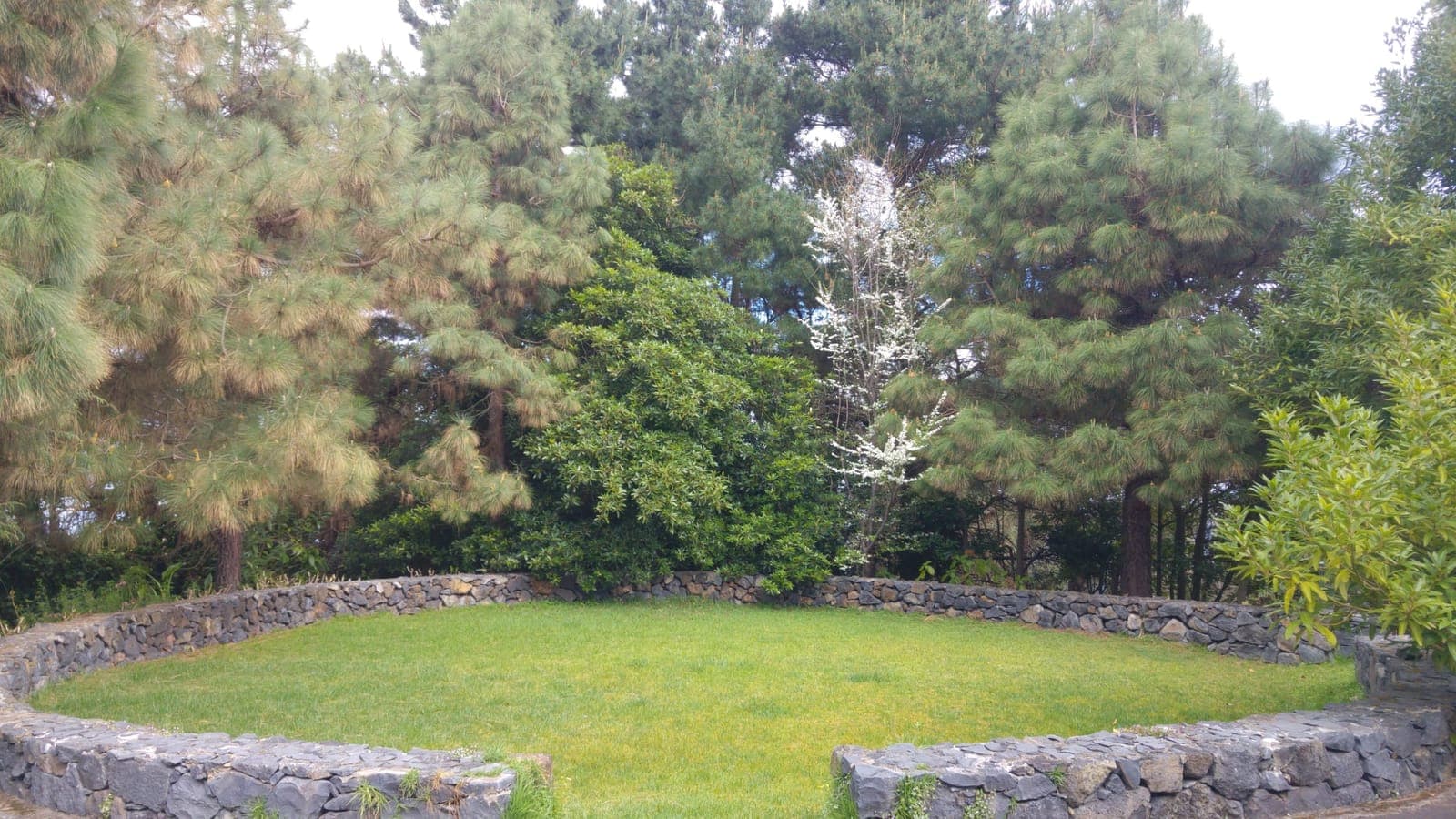
The quietest part of Tenerife: where to stay for real peace
Read
Tenerife in December and January: Christmas, snow, the north
Read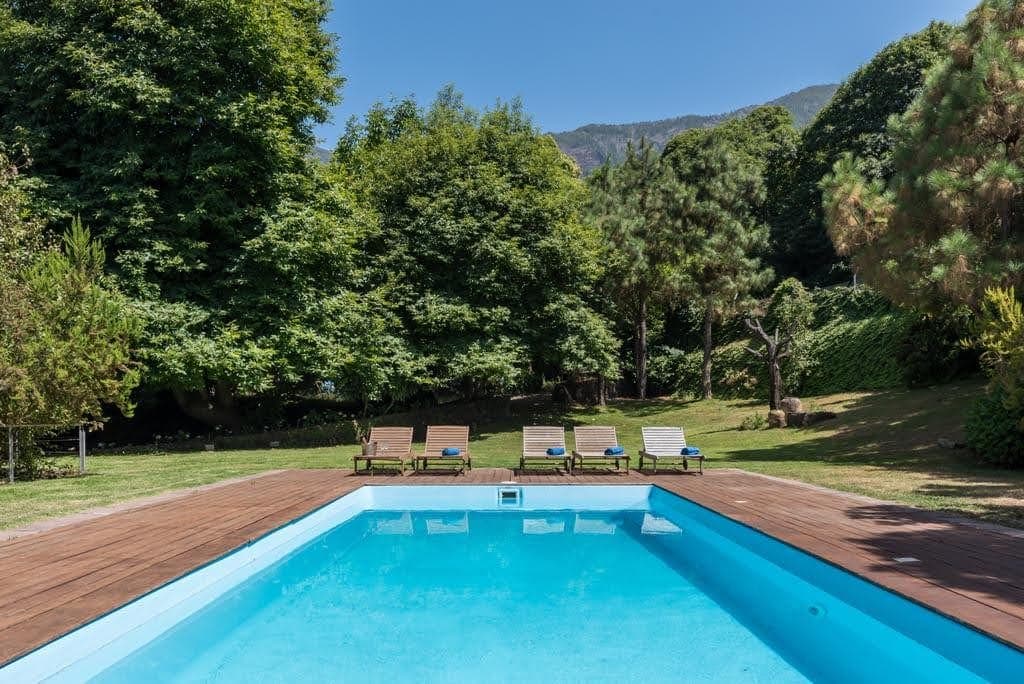
Accommodation with a view of Mount Teide
Read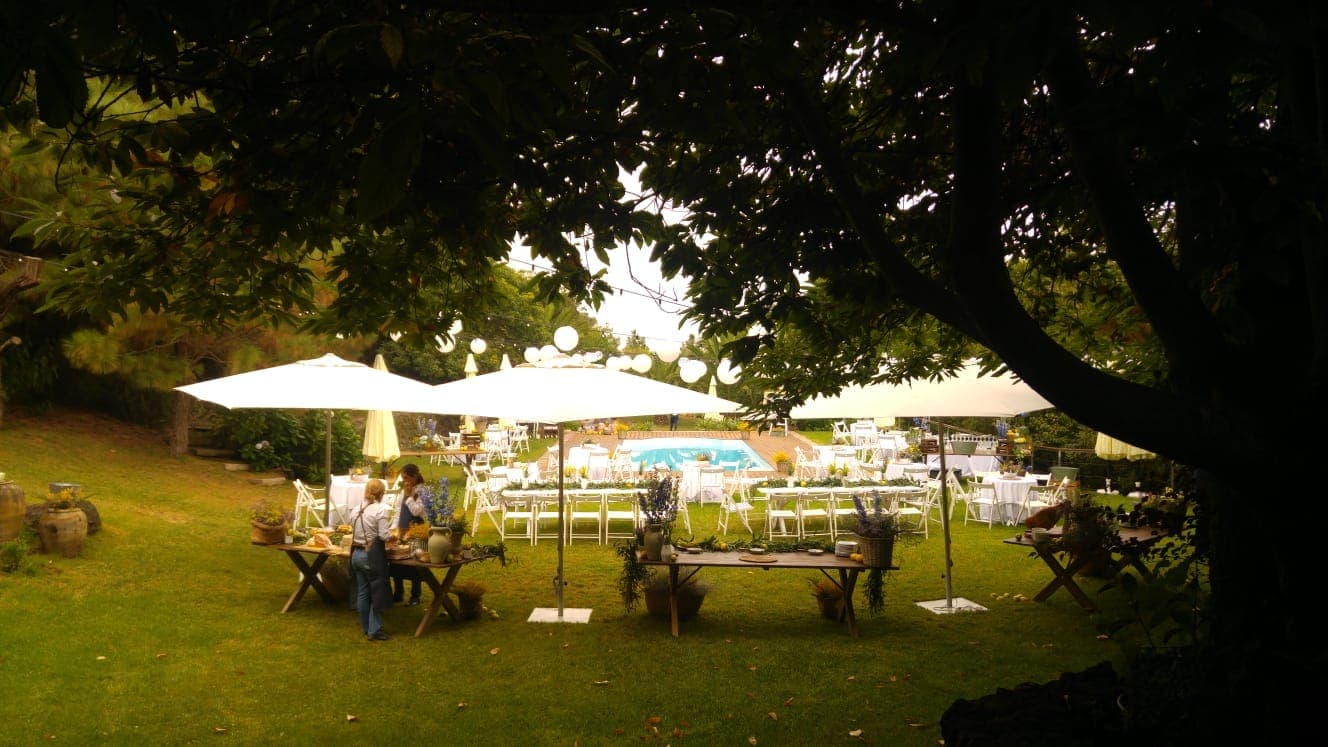
Where to hold a wedding in Tenerife
ReadA romantic break in northern Tenerife
Read
Getting to La Orotava and around the north
Read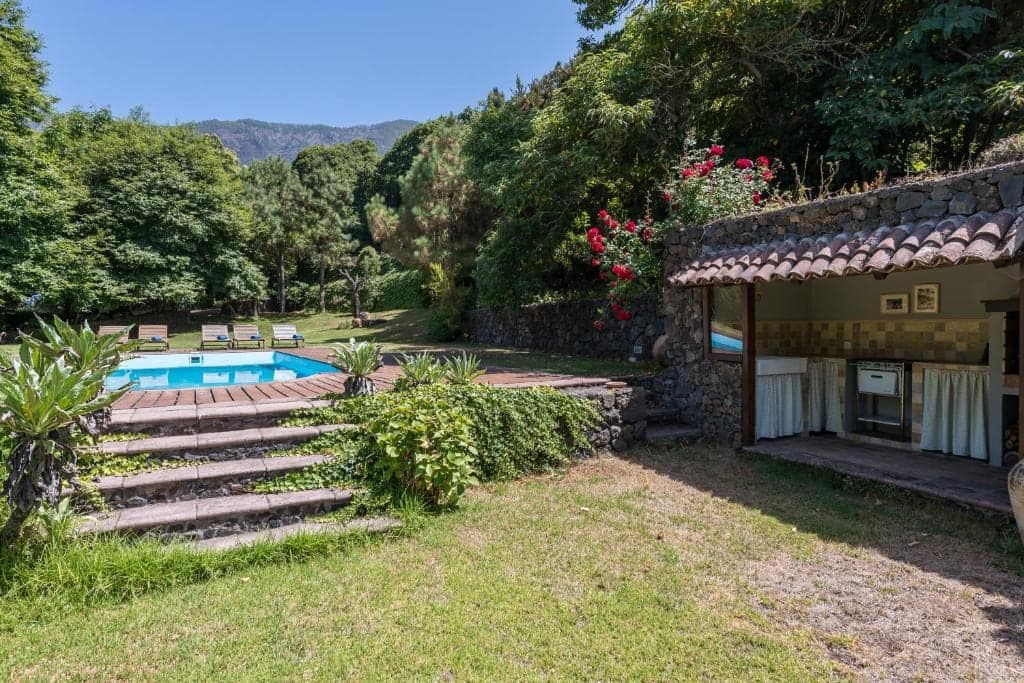
Tenerife villa with a pool
Read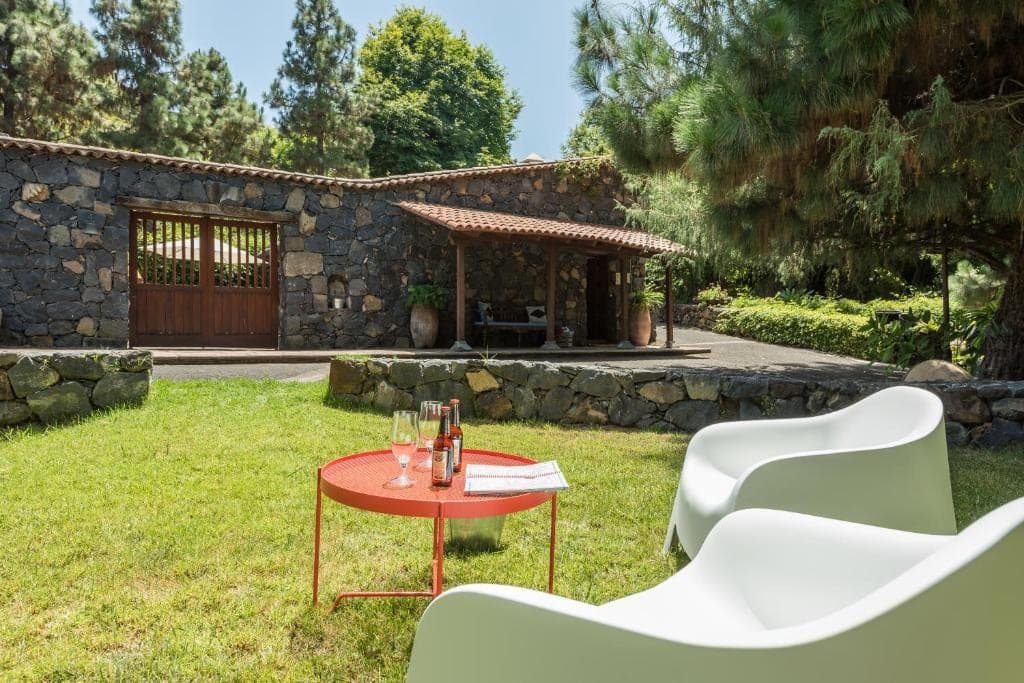
Best area to stay in Tenerife: north or south, by trip type
Read
80 to 200 guests at a Tenerife finca: how the day works
Read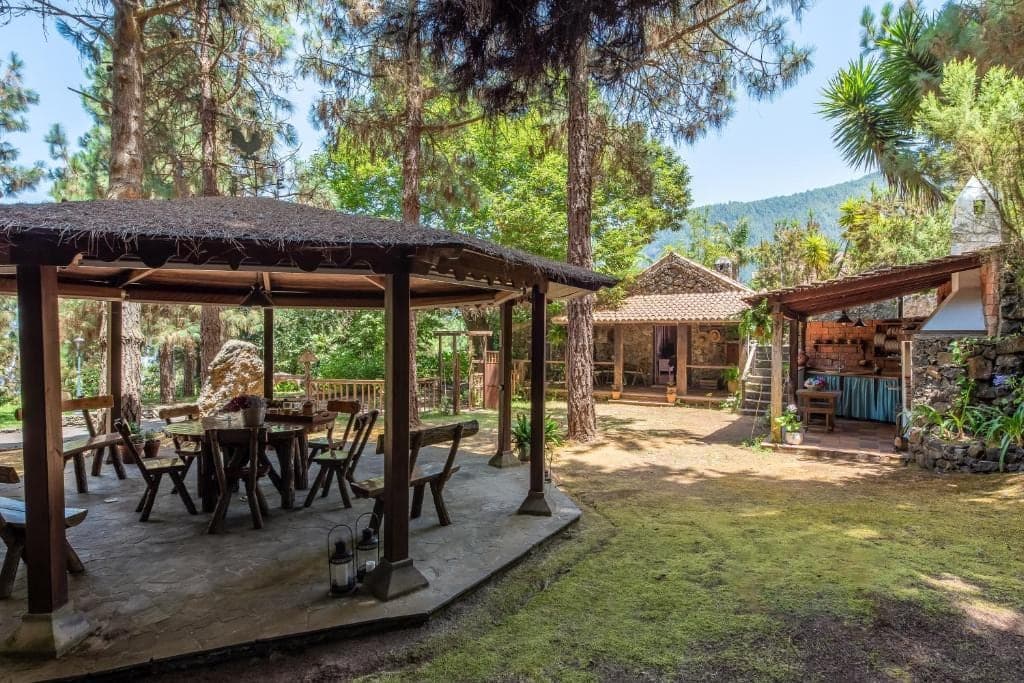
Tenerife in October and November
Read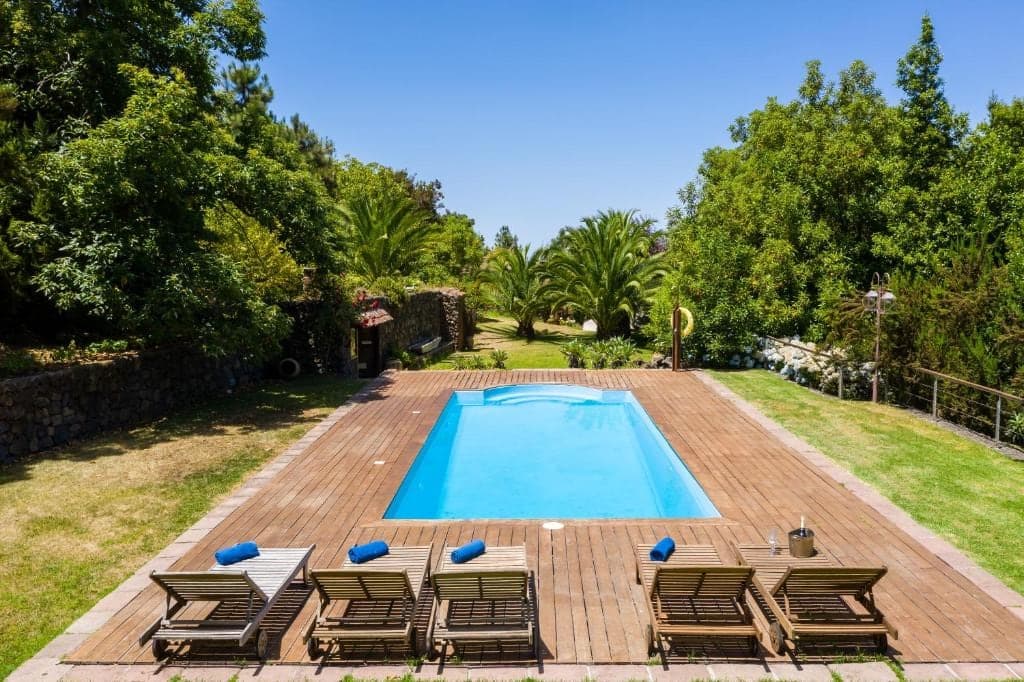
Hiking from La Orotava: Teide and north Tenerife trails
ReadWhen to Visit Tenerife: The North Coast Climate, Month by Month
ReadThe Permit to Climb Mount Teide
Read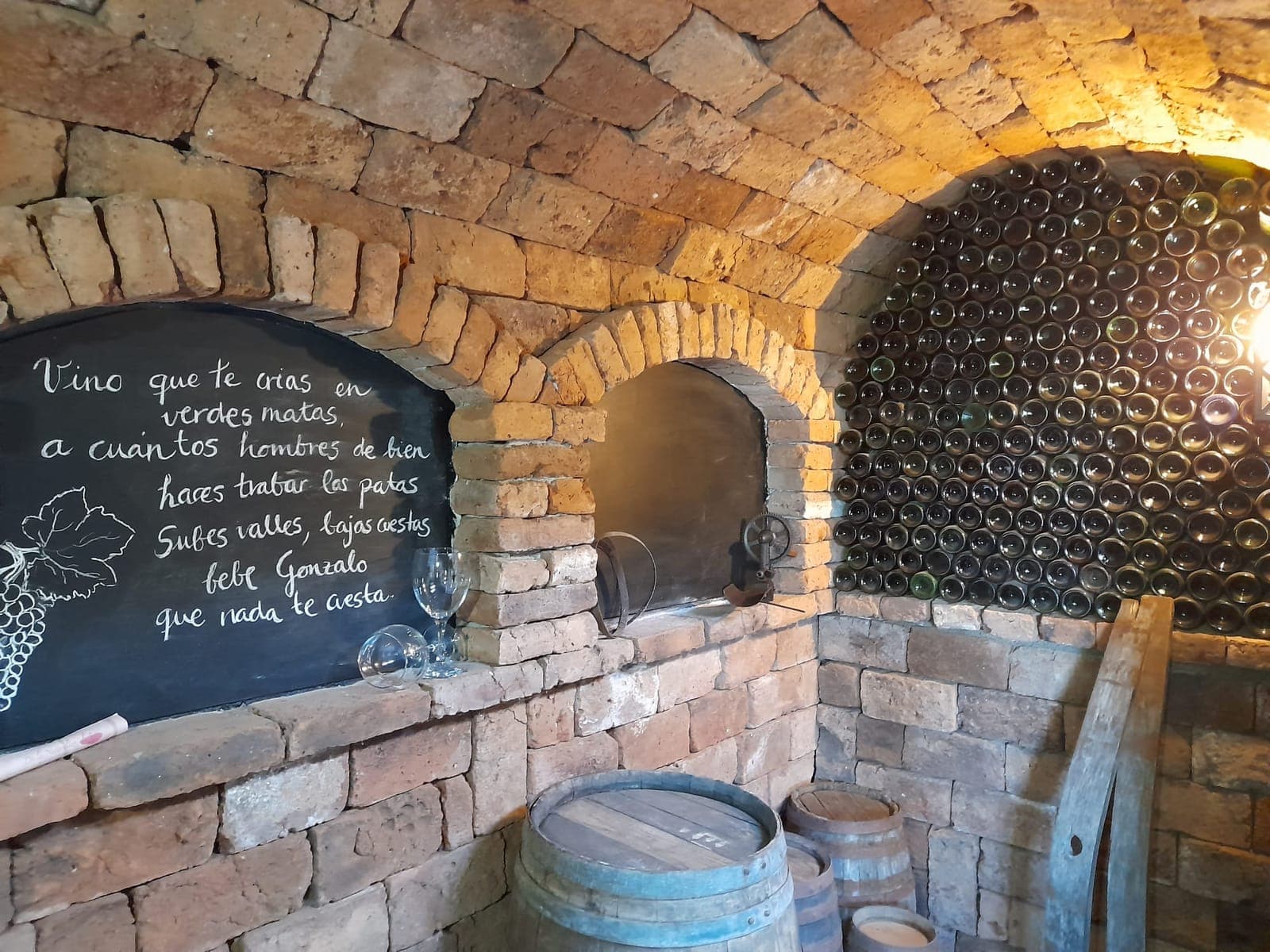
Guachinches in Tenerife: Which Ones Are the Real Thing
Read
Can you get married in Tenerife? What couples from abroad do
ReadTeide cable car: prices, opening times and is it open today
Read