Blog · northern Tenerife
Guachinches in Tenerife: which ones are real, and where the northern ones are
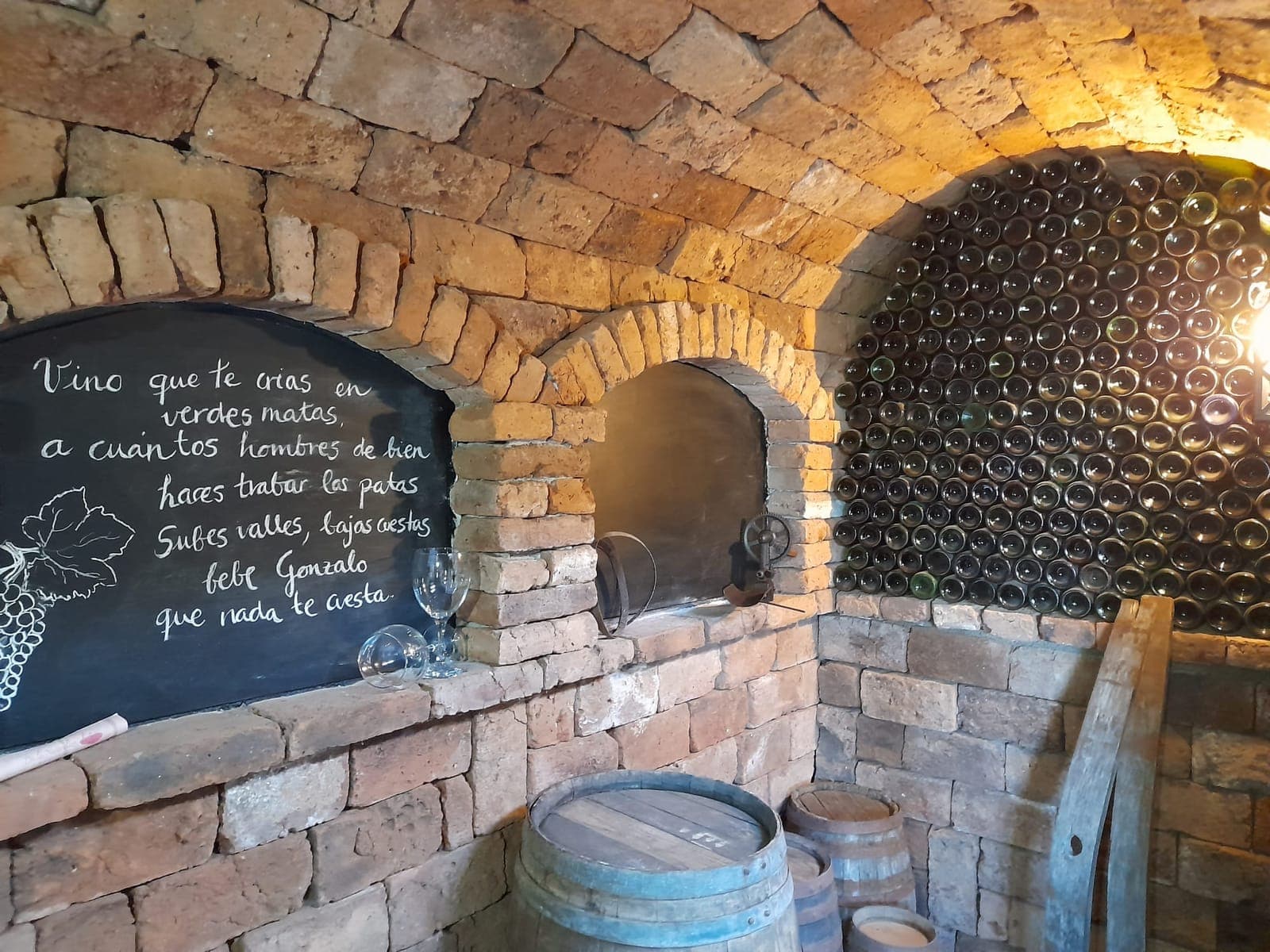
In northern Tenerife, eating well starts with understanding what a guachinche is: a private house or wine cellar that opens for a few weeks a year to sell the wine from its own harvest, with food served alongside it. La Orotava and the neighbouring villages —Los Realejos, Tacoronte, El Sauzal— are home to several guachinches with a long tradition on the island. Here's what you need to know before you go, and a few names to start asking around for.
What a guachinche actually is
A guachinche is the type of establishment where a private house or wine cellar temporarily sells the wine from its own harvest, regulated in the Canary Islands by Decree 83/2013 of 1 August. It isn't a restaurant in the usual sense: it's the direct sale of the year's wine, with simple food served alongside it.
The licence can't run for more than three months a year — extendable to four if the estate's own wine production justifies it — and the activity has to stop as soon as the harvest's wine runs out, which is why people often talk, informally, about a 'licence of under 100 days'. The wine has to come from vineyards owned by the licence holder, backed by harvest declarations; genuine guachinches display an official plaque with the letter 'V', for viticultor (winegrower), on the door.
The traditional sign that a guachinche is open is a bay branch hung on the door. Today, many also announce the start of the season on Instagram or Facebook.
What you eat at a guachinche
- Papas arrugadas con mojo — small potatoes boiled in their skin, served with green and red mojo sauce.
- Carne fiesta and ribs with papas and millo (sweetcorn).
- Escaldón de gofio, chicharrones (pork crackling) and grilled cheese with mojo.
- Potaje (stew) and huevos estampidos (also called 'gomeros').
- Ropa vieja — a stew of shredded meat or fish with chickpeas.
- Everything is served in shared dishes, on a long table with a paper tablecloth, with the house wine poured from a jug or pot.
Guachinches in La Orotava
The municipality itself has guachinches with real history and a good reputation. Guachinche Ramón, very well rated on TripAdvisor, and El Talegazo, known for its charcoal-grilled meat and escaldón de gofio (local press has mentioned it as the guachinche recommended to former goalkeeper Iker Casillas), are among the most talked about. Los Gómez stands out for its rustic atmosphere and dishes like huevos a la estampida; Romance is one of the few with its own terrace — unusual for a guachinche — and has over 260 reviews; and El Divorcio, according to National Geographic España, has a dining room and a terrace with green chairs looking out over urban vineyards.
Las Chozas, La Casona, El Cubano and La Cernidora round out the list, the latter known for dishes like mushrooms stuffed with almogrote or octopus timbale. In La Perdoma, within the same municipality, you'll find La Chaotera — simple and welcoming, with its own house red wine — and the guachinche run by Casa Estela, as well as El Timplillo, on Camino Montijos.
Guachinches in Los Realejos, Tacoronte and El Sauzal
A little further away, in Los Realejos, Mi Guachinche Casa Pedro is one of the most popular — reviews talk about exceptional service and how hard it is to get a table without booking. There's also El Pino, with a menu in several languages; La Viña; Las Galanas, featured by Guía Repsol on a route of genuine guachinches in the north; Los Caballos; and La Suertita, where it's worth booking ahead.
In Tacoronte you'll find El Patio, known for its mixed grill and garlic prawns; Casa Suso, set on the ground floor of a house and using produce from its own vegetable garden; Casa Neno; and Casa Nino, nicknamed 'Cruz Roja' for standing next to the Red Cross building, with salted grouper stew as its speciality. In El Sauzal, Natural Guachinche and Las Chacaras round off the route. If you want to extend the day, La Victoria de Acentejo and Santa Úrsula also have well-regarded guachinches, such as El Tejadito or Quintero.
When to go and how to know if one is open
The season is tied to each house's own wine harvest, so it changes every year: it usually starts between October and November and runs until March or April, though each guachinche closes as soon as its wine runs out. The usual opening hours are for lunch, between 1pm and 4pm; almost none open for dinner.
The most reliable sign is still the bay branch on the door; many also post on social media when they open. Since the season shifts every year, it's worth confirming before you set off — ask us once you're staying with us, because the list of which ones have their branch up changes week to week.
Practical tips before you go
- Bring cash: not everywhere takes cards.
- Many don't take bookings; if you're a large group or going on a weekend, it's best to call ahead.
- Tables and paper tablecloths are often shared, with dishes passed around.
- Go hungry: portions are generous and meant for sharing.
- Confirm it's still open before you set off — the season depends on each house's harvest and not all of them open the same month.
A guachinche makes a better lunch plan than a dinner one, so it leaves your afternoon free to come back to the estate in La Orotava, with its shared pool, and enjoy the garden. We're a short distance from most of these guachinches — if you're staying with us, ask José which ones have their green branch up that week.
José Martín
Host of Hacienda Verde. He has spent years welcoming guests and exploring the Orotava Valley and Mount Teide.
Sleep in the valley, not on the coast.
Three rural houses inside an ethnographic park in La Orotava, 20-30 minutes from Mount Teide. You gain time and sleep surrounded by nature.
Keep reading
A birthday or a family lunch at a Tenerife estate: what to ask
Read
Accommodation with a view of Mount Teide
Read
Where to hold a wedding in Tenerife
Read
A romantic break in northern Tenerife
Read
Getting to La Orotava and around the north
Read
An intimate wedding in Tenerife
Read
Tenerife villa with a pool
ReadWhere to stay in Tenerife: north or south
ReadA wedding at a Tenerife estate
Read
Tenerife in October and November
Read
What to See in the Orotava Valley
Read
The Best Mount Teide Hikes from La Orotava
ReadWhen to Visit Tenerife: The North Coast Climate, Month by Month
ReadThe Permit to Climb Mount Teide
Read
Can you get married in Tenerife? What couples from abroad do
ReadVisiting Mount Teide: cable car, prices and opening times
Read