Blog · northern Tenerife
Visiting Mount Teide: the cable car, what it costs and what you can see without a permit
We see Mount Teide from the estate every single day, and every week we wave off guests heading up there. From the conversations on their return we've drawn one conclusion: almost everyone arrives with the wrong idea of what they're about to do. They think 'going up Teide' is one single thing, and that you need a permit for all of it. Neither is true. Here's what it costs, when you can go, and what you actually get to see.
Three different things people call 'going up Teide'
The first is driving into the National Park and staying in Las Cañadas, at around 2,100-2,300 metres. It costs nothing, there's no ticket and no booking, and it's where the postcard landscapes are: the Roques de García, the Llano de Ucanca plain, Boca Tauce. Plenty of people who say they've been up Teide have done exactly this, and they were right to.
The second is taking the cable car from the base station (2,356 m) up to La Rambleta (3,555 m). It's about an 8-minute ride, you pay for it, and you should book ahead. At the top there are two short trails to two viewpoints, and neither of them requires a permit.
The third is setting foot on the summit, at 3,718 metres. That final stretch from La Rambleta — trail PNT-10, Telesforo Bravo — is the only one that needs a separate permit, requested through TenerifeON, and since January 2026 it has a cost. We cover it in full in our guide to the Teide summit permit, because it has its own small print.
The confusion is expensive: some people give up on Teide altogether because they couldn't get the summit permit, when 90% of what there is to see sits below that final stretch.

What the cable car costs in 2026
Official return-ticket prices, which is what almost everyone buys:
- Non-resident adult: €42.
- Canary Islands resident adult: €10.50.
- Child aged 3-13, non-resident: €21. Resident: €5.25.
- One way only (non-resident adult): €23.50. Worth it if you're walking down, not the other way round.
- Buy on the cable car's official website. In summer and at weekends it sells out, so book days ahead rather than on the morning itself.
The timetable changes seven times a year, and that's where people come unstuck
The cable car always opens at 9:00, but the time it stops going up shifts through the year, and not in an intuitive way. These are the last ascents for 2026:
- 1 January – 27 March: last ascent 16:00, last descent 16:50.
- 28 March – 12 April: last ascent 17:40, last descent 18:30.
- 13 April – 30 June: back to 16:00 and 16:50.
- 1 July – 30 September: 17:40 and 18:30.
- 1 – 13 October: 17:00 and 17:50.
- 14 – 24 October: 16:30 and 17:20.
- 25 October – 31 December: 16:00 and 16:50.
What you can see up there without asking anyone for anything
Two short trails leave from La Rambleta that need no permit and no booking, and they're what really justifies the ticket. The Mirador de la Fortaleza (trail nº 11) faces the northern side: from there you see the whole Orotava Valley, and with luck the sea of clouds below you, covering the valley while you stand in the sun. The Mirador de Pico Viejo (nº 12) faces south, towards the Pico Viejo crater and, on a clear day, towards La Gomera, La Palma and El Hierro.
The trail that does need a permit is nº 10, the one climbing to the summit. If you don't have it, it's no disaster: the other two take a comfortable hour or so and the views are the ones on the postcards.
At 3,555 metres there's a third less oxygen than at sea level. You'll notice you tire sooner and your heart beats faster; that's normal. A bad headache or dizziness is not: if that shows up, go back down.
The wind is more in charge than you are
The cable car closes fairly often for strong wind, and also for snow on the access road or for scheduled maintenance. There's no published wind threshold at which they shut, so the only way to know is to check the status on the official website that same morning. If it does close, your booking can be moved to another date or refunded.
If it happens to you, the day isn't lost: the Visitor Centre down below has the exhibition on the eruption, there's a café, and the roadside viewpoints are still there. When a guest of ours misses the cable car, we send them to the Roques de García — a flat 3.7 km loop next to the Parador — and they come back happy.
Five things guests tell us on their return, always the same five
- They went up at midday in summer and found the summit buried in cloud. At this time of year you need to set off first thing.
- They went in a T-shirt. It was 24 degrees down in the valley and they froze up top: the difference is ten or twelve degrees, plus the wind.
- They got burnt. Radiation is far stronger at that altitude and it doesn't feel like it, because it isn't hot.
- They took no water or food, and up there the only option is one café, with a queue.
- They bought a return ticket and then decided to walk down via Montaña Blanca, which is 8.3 km and 4-6 hours downhill. You can do it, but decide before you buy the ticket.
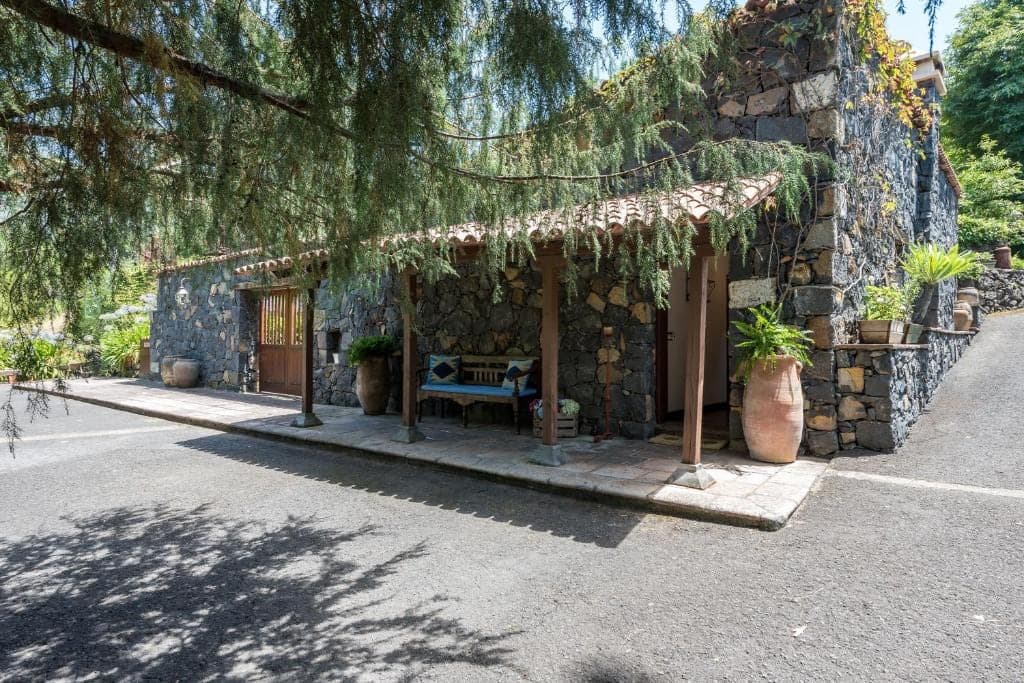
From the estate the National Park is 20-30 minutes away on the La Orotava road, so you leave in daylight, come back for lunch and still have your afternoon. That's the real advantage of sleeping at the rural house in the Orotava Valley rather than on the coast: you save a good hour in the car every day. Tell us which week you're coming and we'll tell you what time to set off and whether the cable car has been playing up.
José Martín
Host of Hacienda Verde. He has spent years welcoming guests and exploring the Orotava Valley and Mount Teide.
The national park, half an hour away.
Las Cañadas is a 20-30 minute drive away. Leave early, walk the trail and come back for a swim in the estate pool.
Keep reading

A birthday or a family lunch at a Tenerife estate: what to ask
ReadAccommodation with a view of Mount Teide
Read
Where to hold a wedding in Tenerife
Read
A romantic break in northern Tenerife
Read
Getting to La Orotava and around the north
Read
An intimate wedding in Tenerife
Read
Tenerife villa with a pool
ReadWhere to stay in Tenerife: north or south
ReadA wedding at a Tenerife estate
Read
Tenerife in October and November
Read
What to See in the Orotava Valley
Read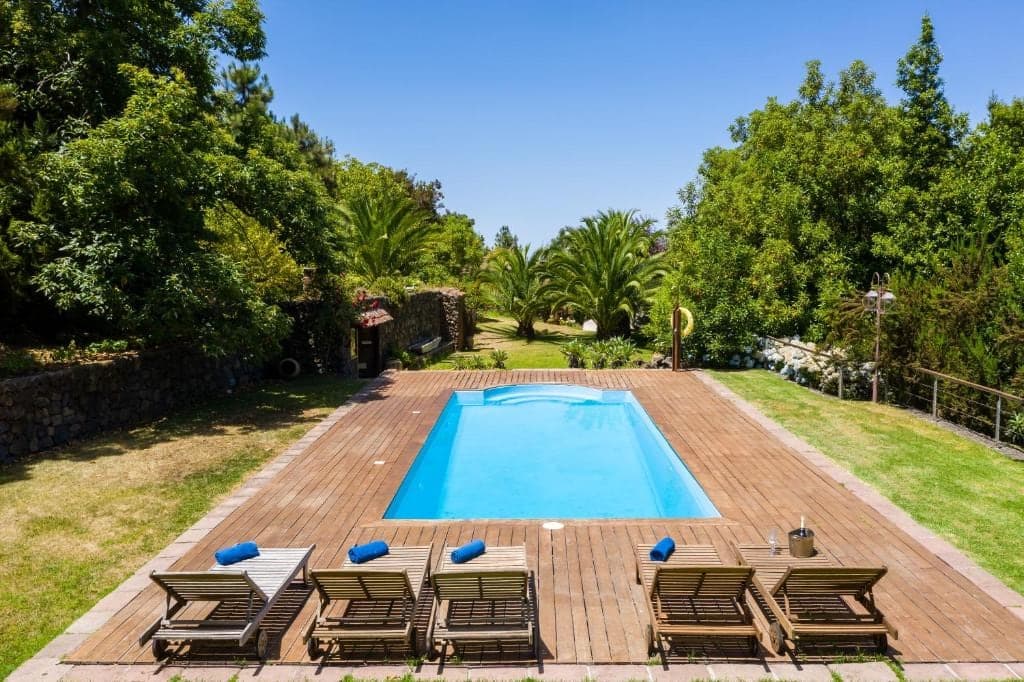
The Best Mount Teide Hikes from La Orotava
ReadWhen to Visit Tenerife: The North Coast Climate, Month by Month
ReadThe Permit to Climb Mount Teide
Read
Guachinches in Tenerife: Which Ones Are the Real Thing
Read
Can you get married in Tenerife? What couples from abroad do
Read