Blog · northern Tenerife
The quietest part of Tenerife: where to stay if you want peace, and where not to
When someone writes to us asking for «somewhere quiet», they nearly always mean the same thing: to sleep without hearing anybody. Tenerife has a lot of that, just not always where the lists put it. How quiet a place is doesn't depend on north or south. It depends on what can be heard from the bedroom: a motorway, a flight path, a street of bars, an apartment block with thin walls. This is where each of those sits on the island, which areas have none of them, and how to check a house before you book. We rent out houses in the north, so at the end we also tell you what you hear at ours.
What makes a place noisy in Tenerife
Four things decide it, and only three of them show up on a map.
- The motorways. The TF-1 runs down the east and south coasts to Adeje, and the TF-5 along the north coast past Puerto de la Cruz. A flat «with sea views» on the slope just above either of them hears traffic day and night.
- The airports. Tenerife South sits on the coast between El Médano and Costa del Silencio, which happen to be the two quietest resorts in the south. Tenerife North is at Los Rodeos, right beside La Laguna.
- The bar streets. The Veronicas strip in Playa de las Américas is the centre of the island's nightlife, and the blocks behind it hear it until dawn. In the north, Puerto de la Cruz is the town that stays up late.
- The building itself. A complex with a pool and daytime entertainment, a shared wall, the neighbour's terrace a metre from yours. No map shows this one, and it's the one that ruins the most nights.

The calendar makes noise too
A quiet village can have one loud week a year, and it's worth knowing which one before you choose your dates.
Carnival is the big one. In 2027 the street carnival in Santa Cruz runs from 19 to 28 February, two weeks later than usual because the city council moved it, with dancing in the streets every night and, on the last Saturday, more than 18 hours of music without a break. Puerto de la Cruz holds its own carnival in the same season. If you're staying in either town in February, look up the dates first.
Then there are the village fiestas, most of them between June and September: a stage in the square, a verbena until the small hours and fireworks. In a village of three streets, the stage is next to everything. And at the other end of the year, the quietest weeks on the island are the ones after 6 January, when the north empties out; we explain why in Tenerife in December and January.
The south: quiet exists, but read the map
The south has quiet places, and the lists that recommend them are partly right. Costa del Silencio lives up to its name at street level: houses and low blocks, a few bars that close early, residents rather than holidaymakers. El Médano is laid-back, windy and full of surfers. Both are next to the airport, so before booking, find out which side of town the flat is on and whether the planes pass overhead.
On the west coast, Los Gigantes and Puerto de Santiago are much calmer than Las Américas, with a handful of bars that have live music. The quietest place in the south is inland: Vilaflor, at about 1,400 metres among the pine forest, with cold nights, no beach and the silence of the mountains.
If you want sun and quiet together, the south can give you both. Choose a house rather than a complex, and check where you are in relation to the TF-1 and the runway.
The north: quieter by default, but not everywhere
The north is calmer as a whole because it has no mass resort, but it's not the same all over. Puerto de la Cruz is a proper town: plenty on foot, lively in the evenings, and the TF-5 above it. The coast between Puerto and Santa Cruz is busy.
Real silence is at the ends. To the west, Garachico, Los Silos, Buenavista del Norte and the Teno massif: the quietest stretch of the north coast, and further from everything. Masca is silent at night and full of walkers by day. To the east, the hamlets of Anaga, such as Taganana or Chamorga, deep in the laurel forest at the end of hairpin roads: the quietest nights on the island, and a long drive to anything.
In between are the mid-slopes, the medianías: the farmland above the motorway in the Orotava Valley, Los Realejos or La Guancha. Lanes, smallholdings and the odd dog, quiet at night, and fifteen or twenty minutes from a town. We compare the two halves of the island in more detail in where to stay: north or south.
Seven questions to ask before booking «somewhere quiet»
Anyone who rents out a genuinely quiet place answers these without hesitating. If the reply is «it's very peaceful», ask again.
- How far is the nearest motorway or main road, and can you hear it from the bedroom?
- Is it under the approach to either airport?
- Is there a bar, a restaurant terrace or a village square below or next door?
- Does it share walls, a terrace or a pool with other flats?
- Is there entertainment or music around the pool?
- Are events held at the property, and is there one on my dates?
- Is there a village fiesta that week?
What you hear at Hacienda Verde
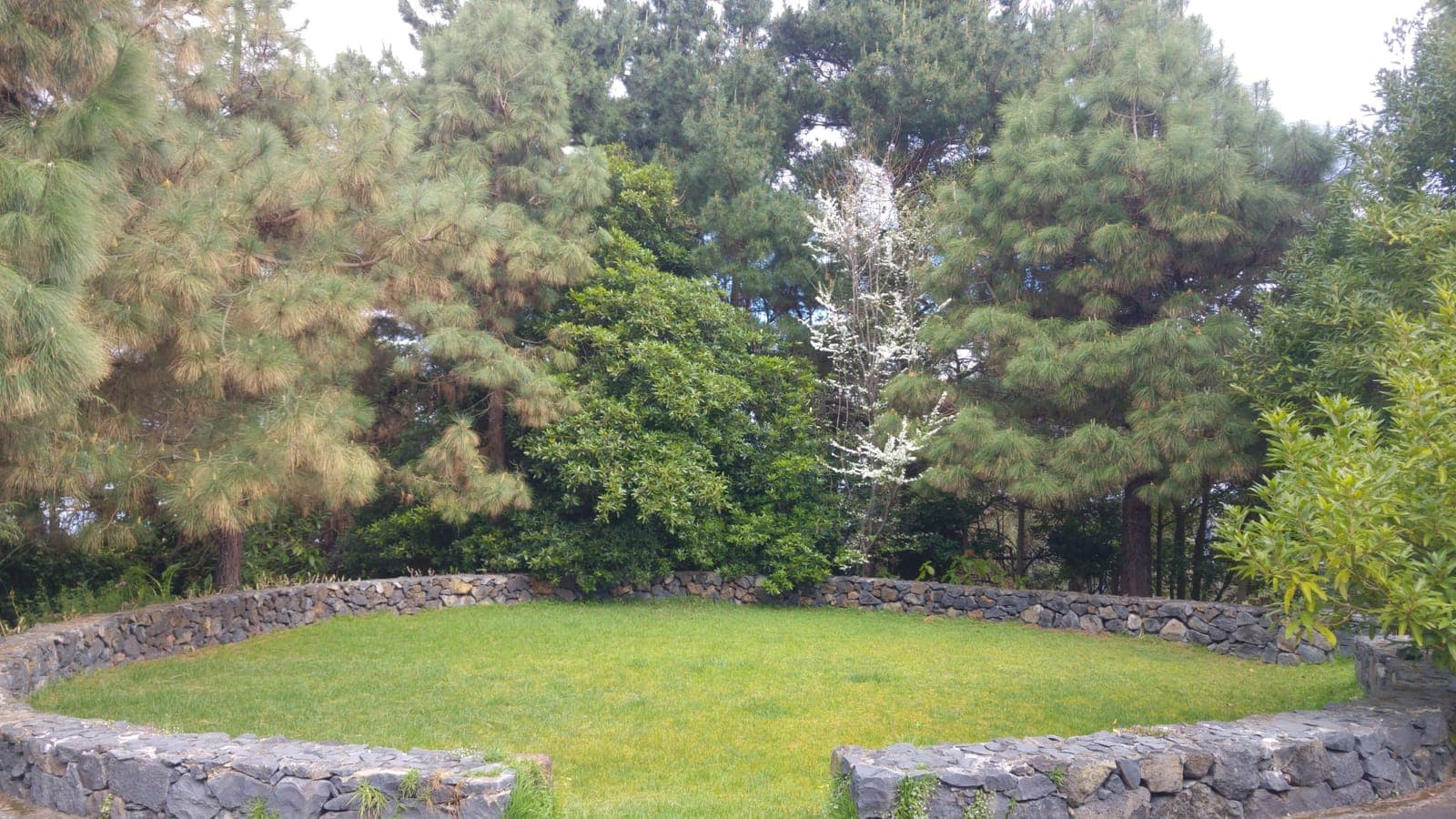
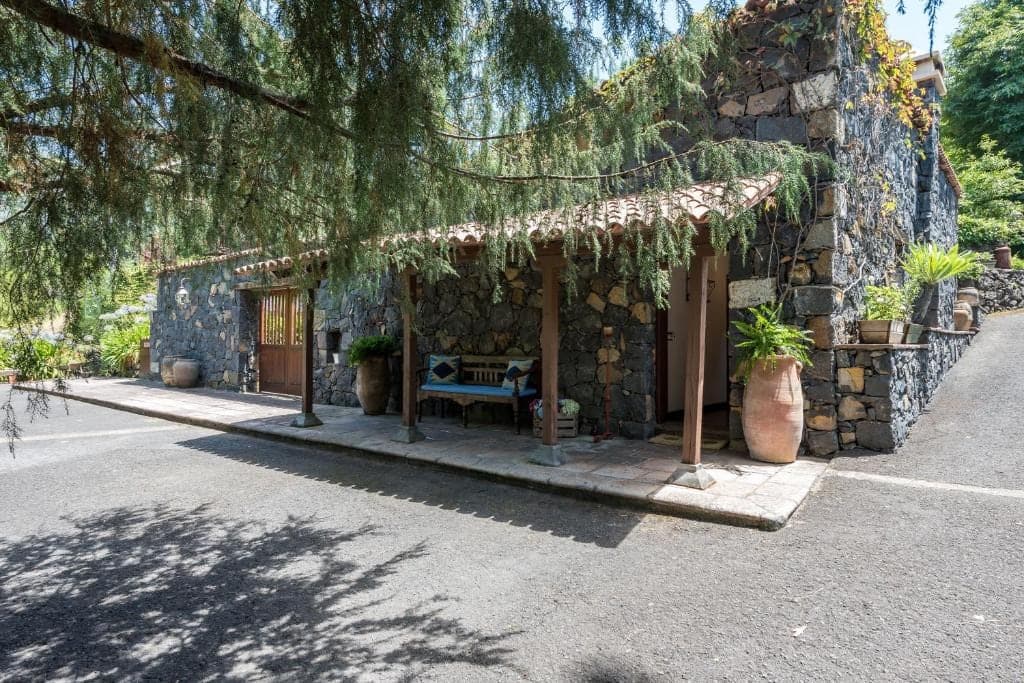
We are in Bebedero Alto, a hamlet in the mid-slopes above La Orotava. The nearest main road is the TF-21, the road up to Mount Teide, about 750 metres away as the crow flies; the TF-5 motorway is almost four kilometres further down the valley. The nearest bar is a village tasca some 400 metres off. The three houses are independent, each with its own terrace, spread across 17,000 square metres of garden, so one house doesn't hear the next. At night what reaches them is what you'd expect in a farming hamlet: the wind in the palms, birds at first light and, some nights, a dog from one of the farms nearby.
One thing we'd rather tell you now than have you find out: the estate also hosts celebrations in the garden, one at a time. If quiet is the reason you're coming, ask us whether there's one on your dates. We'll give you a straight answer, and some weeks that answer is to come the week after.
And you need a car: the way up is a country lane, the old town of La Orotava is five to fifteen minutes' drive and Puerto de la Cruz fifteen.
If quiet is what you're after, send us your dates and tell us which kind you mean: sleeping without hearing anybody, or not seeing anybody all day. We'll tell you honestly whether our three houses in La Orotava are the right place, or whether Anaga or Teno would suit you better.
José Martín
Host at Hacienda Verde. He has spent years welcoming guests and exploring the Orotava Valley and Mount Teide.
Sleep in the valley, not on the coast.
Three rural houses inside an ethnographic park in La Orotava, 20-30 minutes from Mount Teide. You gain time and sleep surrounded by nature.
Keep reading
Tenerife in December and January: Christmas, snow, the north
Read
A birthday or a family lunch at a Tenerife estate: what to ask
Read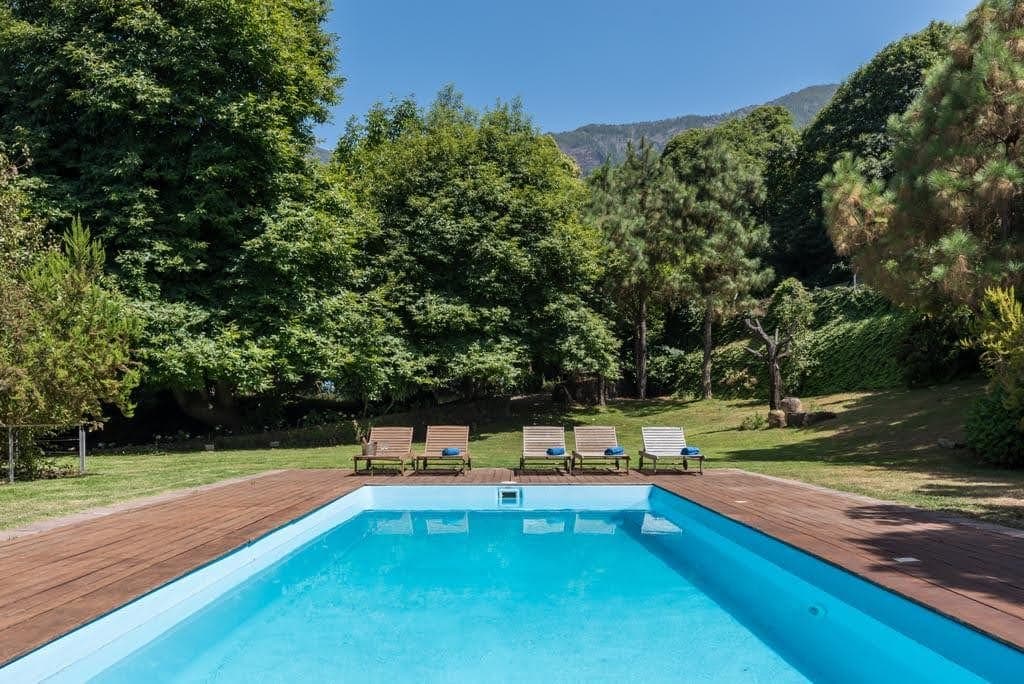
Accommodation with a view of Mount Teide
Read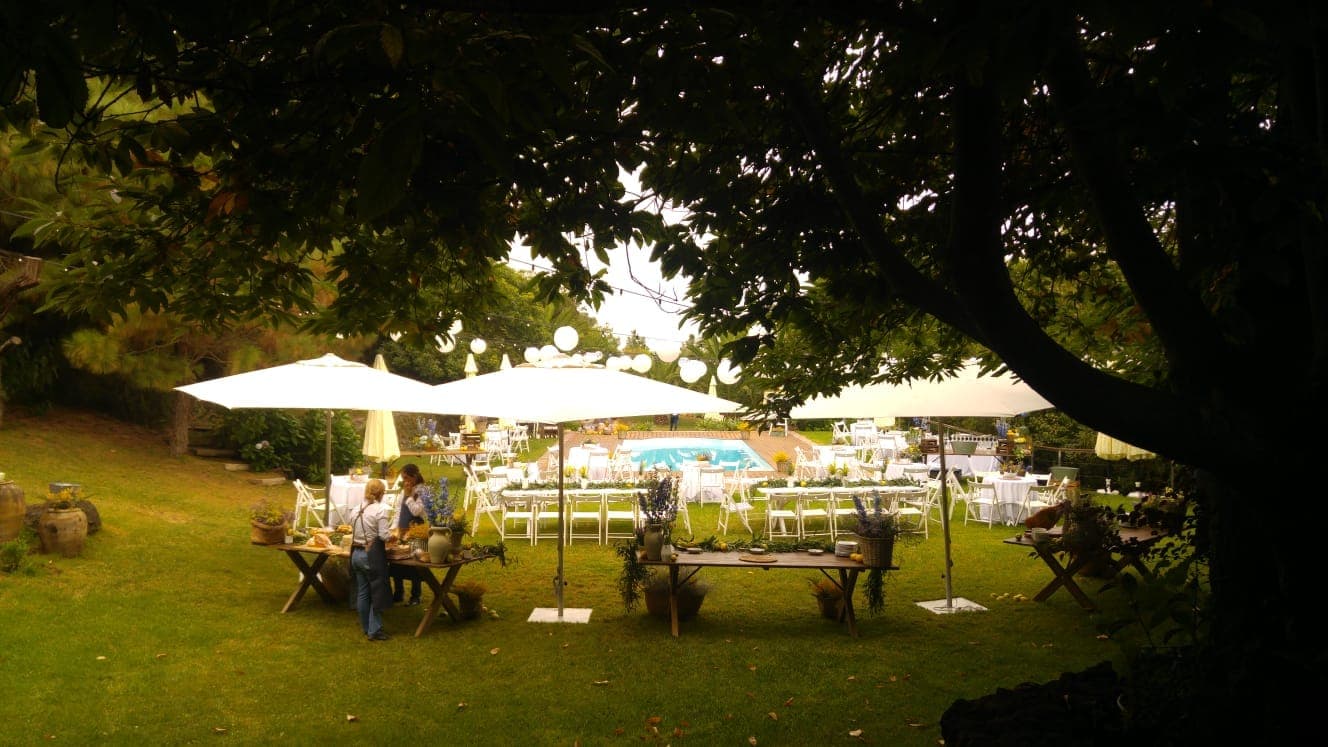
Where to hold a wedding in Tenerife
ReadA romantic break in northern Tenerife
Read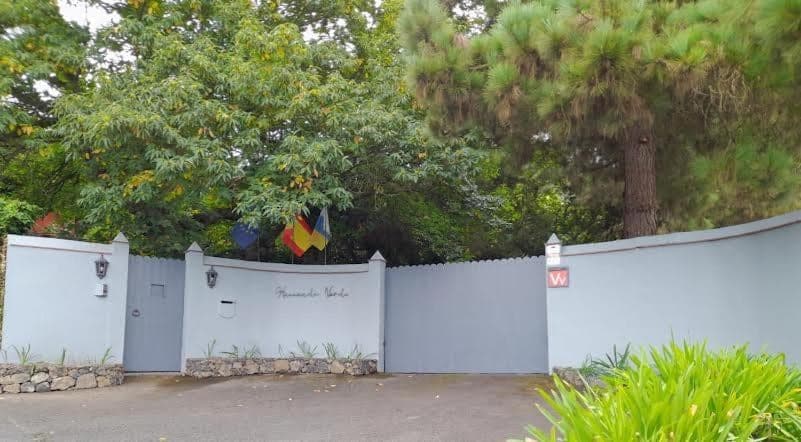
Getting to La Orotava and around the north
Read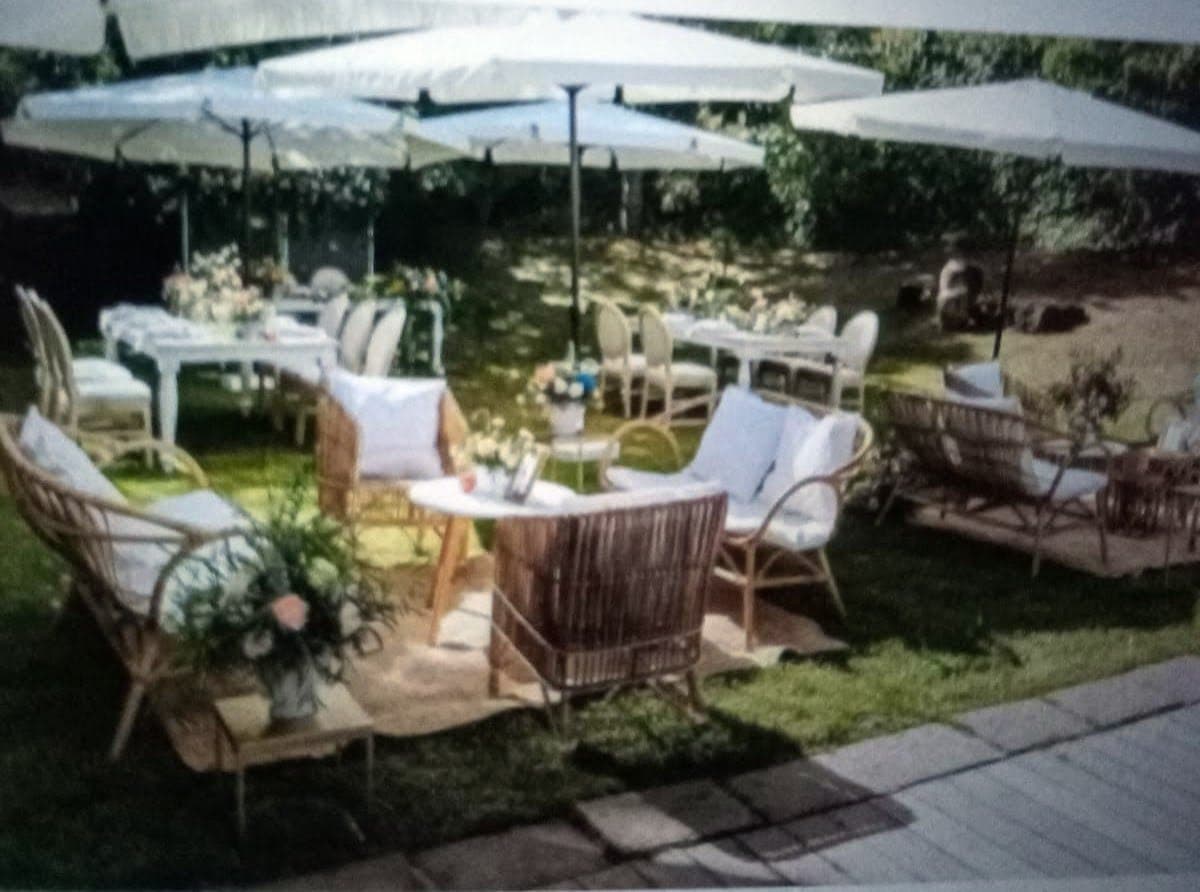
An intimate wedding in Tenerife
Read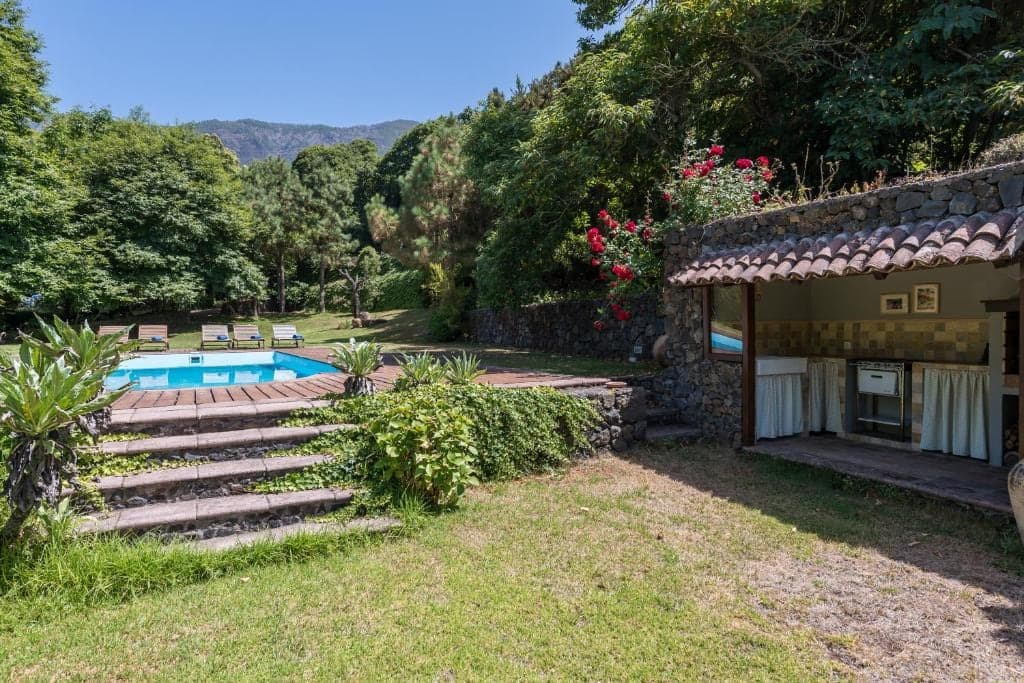
Tenerife villa with a pool
ReadWhere to stay in Tenerife: north or south
ReadA wedding at a Tenerife estate
Read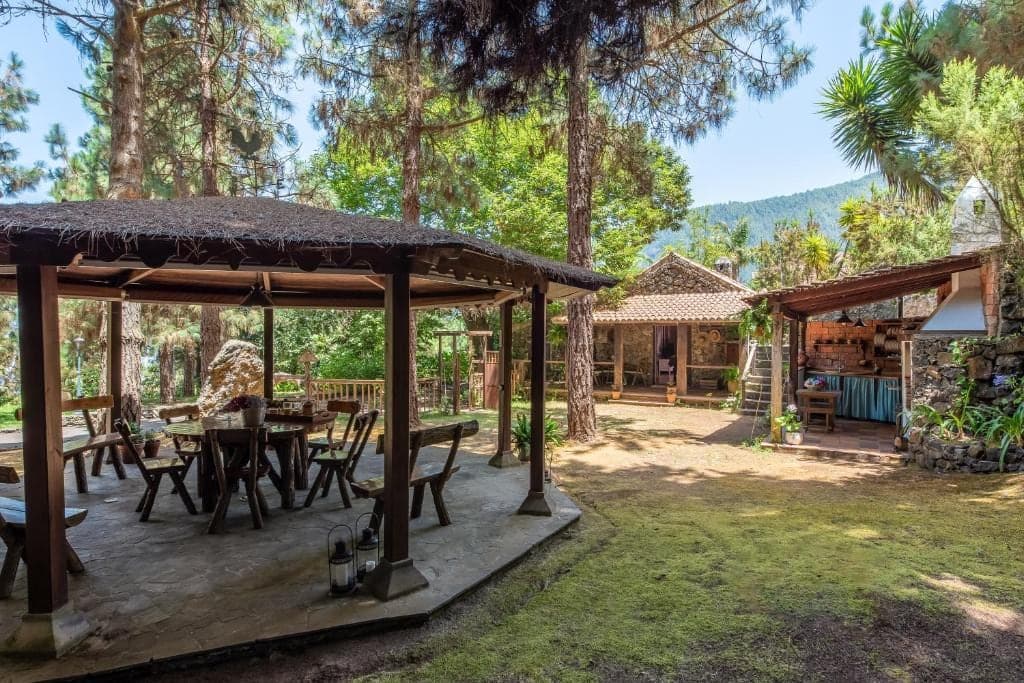
Tenerife in October and November
Read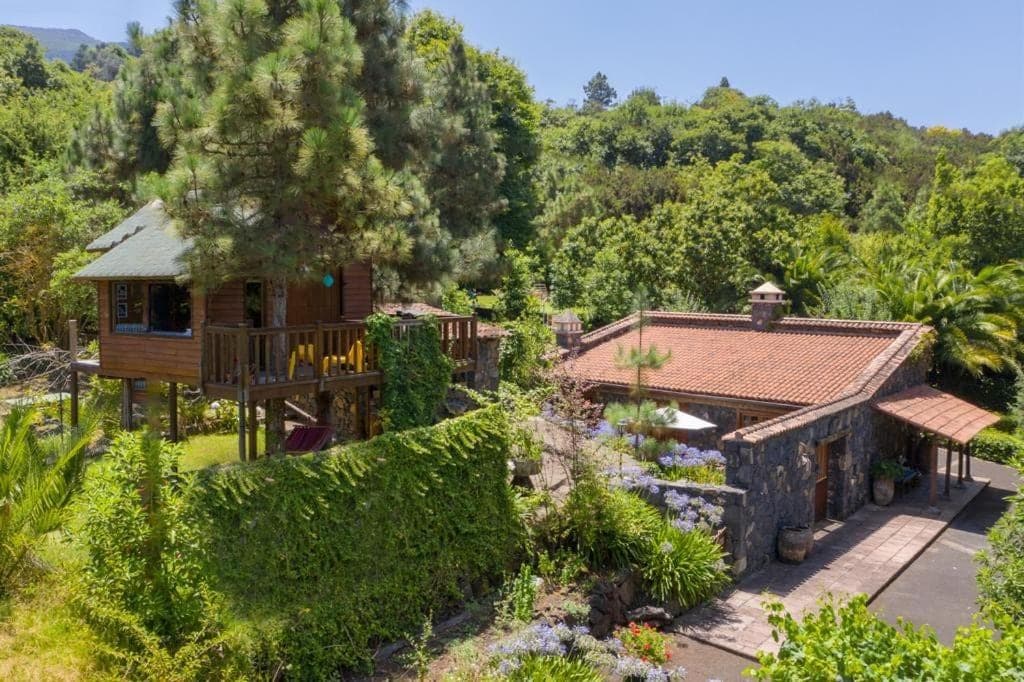
What to see in La Orotava: old town, valley, day-by-day plan
Read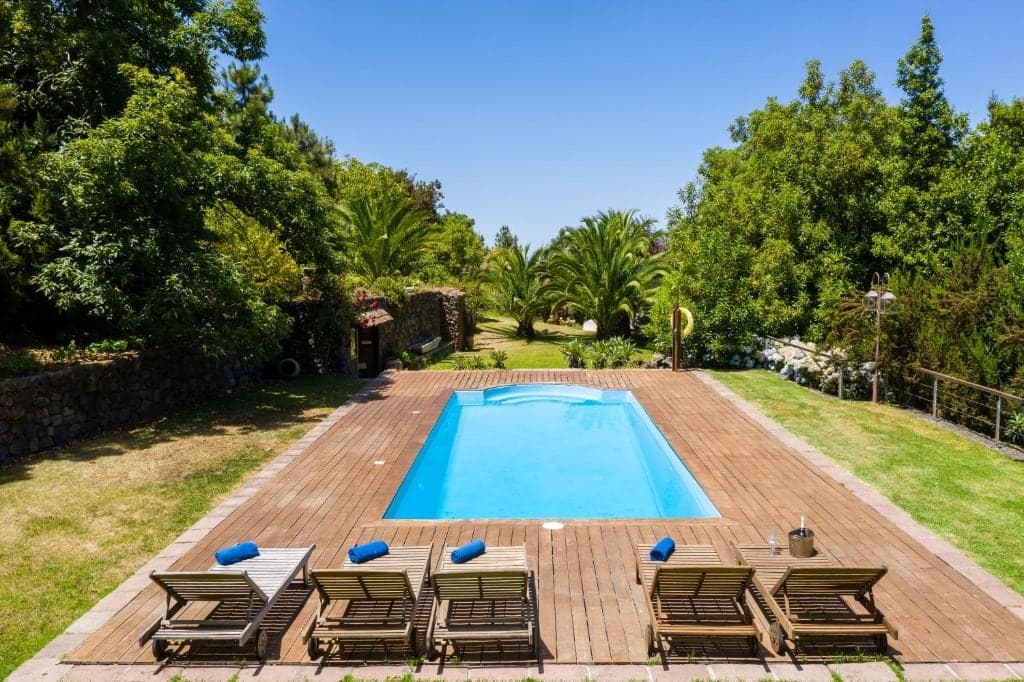
Hiking from La Orotava: Teide and north Tenerife trails
ReadWhen to Visit Tenerife: The North Coast Climate, Month by Month
ReadThe Permit to Climb Mount Teide
Read
Guachinches in Tenerife: Which Ones Are the Real Thing
Read
Can you get married in Tenerife? What couples from abroad do
ReadVisiting Mount Teide: cable car, prices and opening times
Read