Blog · northern Tenerife
Accommodation with a view of Mount Teide: where you really see it and where you don't
«With views of Mount Teide» appears in an awful lot of listings and means very different things. In some you see the whole cone from the bed; in others you have to walk out to the road and lean over. We live in the Orotava Valley with Teide in front of us, and we have spent years watching which days it shows and which it does not. Here is what to understand before paying for a view.
Teide is visible from half the island, but not from half the island at once
The peak is 3,718 m, the highest point in Spain, so it shows up from a great many places. What changes from one property to another is not whether the volcano is there — it always is — but how many days a year you will actually see it, and from where: the terrace, the living room, or only if you walk a hundred metres.
Three things decide that, and none of them tends to appear in the listing: which way the house faces, what stands in front of it and, above all, the altitude you sleep at.
Orientation and obstacles you can work out from the photos if you look carefully. Altitude you cannot, and it is the one that matters most.
Why altitude decides more than orientation
Northern Tenerife has a cloud layer that settles halfway up the slope, known locally as the panza de burro — the donkey's belly. It is not fog rising from the ground: it is a lid produced by the trade-wind temperature inversion, and it floats at a particular height.
That splits the island into three storeys. Sleep below the layer and, on the days it is there, you get grey sky and a hidden Teide. Sleep above it and you look out over a sea of cloud with a clean volcano above. Sleep inside it and you are in the cloud.
The layer is neither always there nor always at the same height. A study of 7,306 weather balloons launched from the island measured the inversion on 97 % of August days, dropping as low as 800 m in July, while from November to February it occurs on fewer than 85 % of days and sits higher.
The practical upshot runs contrary to what almost everyone assumes: there are more days with Teide hidden in summer than in autumn. The official northern station, at 632 m, records an average of 9.5 foggy days in August and 10.7 in July, against 5.1 in October and 5.3 in November.
Area by area, the view you can expect
Generalising, and knowing that every area contains exceptions:
- Orotava Valley (300-700 m) — Teide straight ahead and in full view, with the valley running down to the sea. On some summer mornings the layer covers it for a while, then breaks.
- Puerto de la Cruz and the north coast (0-100 m) — visible, but distant and with the valley in between. And you are below the layer almost whenever it forms.
- The high medianías and La Esperanza (900-1,400 m) — the best view in the north, above the sea of cloud. The price is considerably colder nights and being far from everything.
- The south (Adeje, Los Cristianos) — you see Teide's southern face, dry and with no green in front. Clear skies almost always, so you see it on many more days.
- Las Cañadas, inside the park — it is directly above you. That is a different proposition: staying there means sleeping in high mountain, at 2,000 m and with frosts in winter.
The three questions worth asking before booking
Having read a great many listings, these are the ones that separate a real view from a lucky photograph.
From exactly where can you see it? The bed is not the same as a corner of the garden you have to walk to. Ask for a photo taken from where you will actually be sitting, not from the highest point of the plot.
What altitude are you at? It is the figure nobody publishes and the one that predicts how many days you will see it. With that answer and the above, you can work it out yourself.
What is in front? A house, a tall banana plantation or a ridge can eat half the cone. And if the answer is «nothing», ask them to confirm it with a winter photo, when the vegetation looks different.
When it shows best, if you can choose your dates
Early morning is good almost all year: the layer tends to build through the morning and break up late in the afternoon. Waking to a clear Teide is normal even in summer.
By month, October and November are the best of the year for seeing it from the north, thanks to that halving of foggy days. Winter adds something else: between December and March there is snow up top, and the white cone against the green valley is the postcard nobody expects from the Canaries.
And if you come in high summer, start early. By mid-morning, on top of the layer, the summit clouds over on its own account and the park car parks fill up.
What the view is like from here, bad days included
We are at around 500 m on the slope of the Orotava Valley, with Teide straight ahead. The pool faces it: from the water you see the whole cone on clear days, and that is the photograph everybody takes.
The bad days, so there are no surprises: in summer there are mornings when the grey layer covers the volcano for a couple of hours and then breaks. Not every day and not all day, but it happens. And during calima weeks the suspended dust blurs it even under a clean sky.
What is certain is the orientation: there is nothing in front to block it, no houses and no ridge. If you want to see it from inside the house and not only from the garden, say so when booking and we will tell you which of the three has the better angle. They are all on the houses page, and the estate itself is covered on rural house in La Orotava.
If you are comparing places on the strength of the view, write to us and we will send photos taken from the terrace and from the pool, unfiltered and dated. And if the forecast for your dates does not look promising, we will say so before you book.
José Martín
Host of Hacienda Verde. He has spent years welcoming guests and exploring the Orotava Valley and Mount Teide.
Sleep in the valley, not on the coast.
Three rural houses inside an ethnographic park in La Orotava, 20-30 minutes from Mount Teide. You gain time and sleep surrounded by nature.
Keep reading
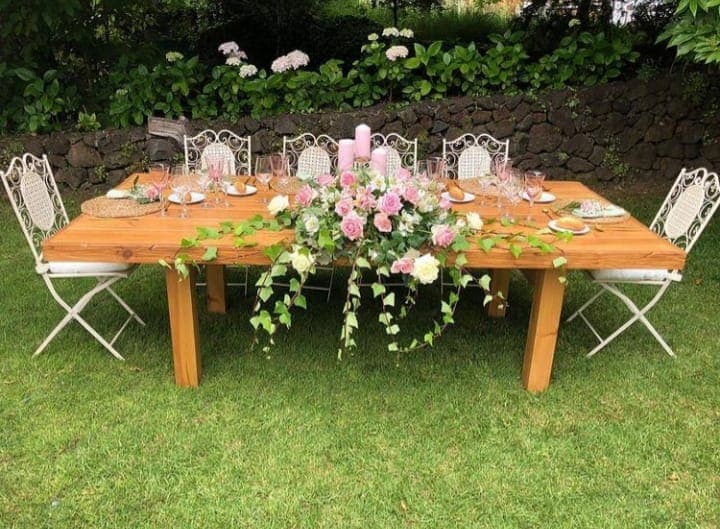
A birthday or a family lunch at a Tenerife estate: what to ask
Read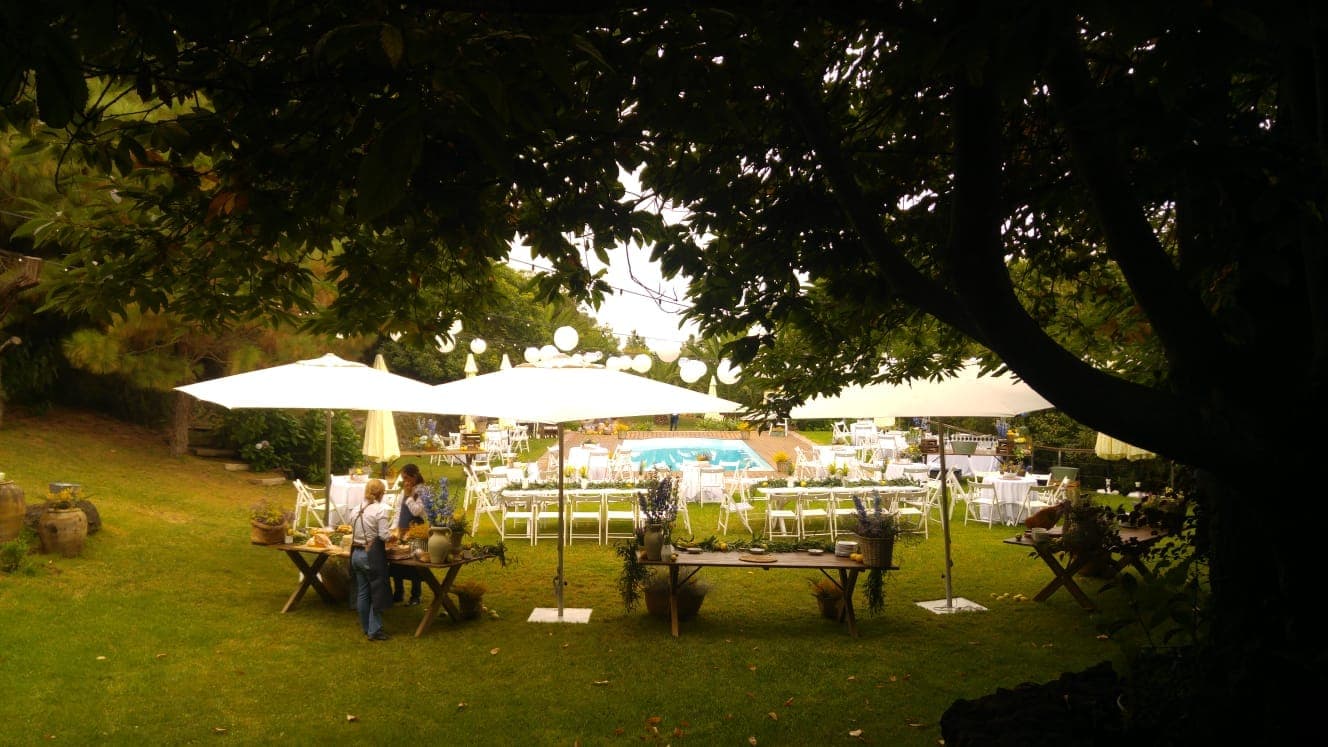
Where to hold a wedding in Tenerife
Read
A romantic break in northern Tenerife
Read
Getting to La Orotava and around the north
Read
An intimate wedding in Tenerife
Read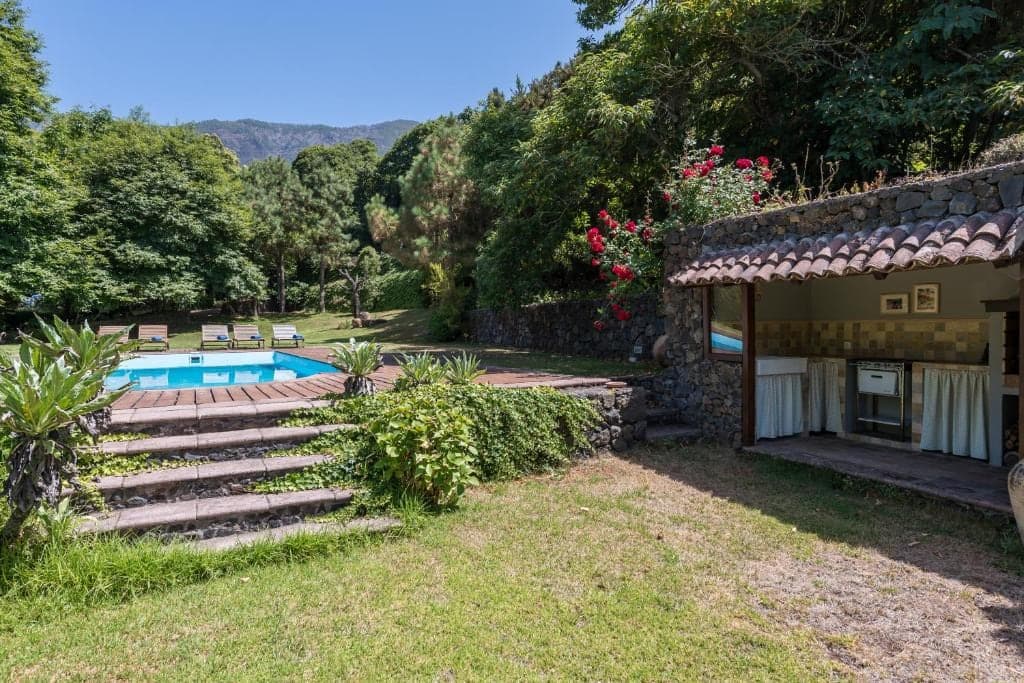
Tenerife villa with a pool
ReadWhere to stay in Tenerife: north or south
ReadA wedding at a Tenerife estate
Read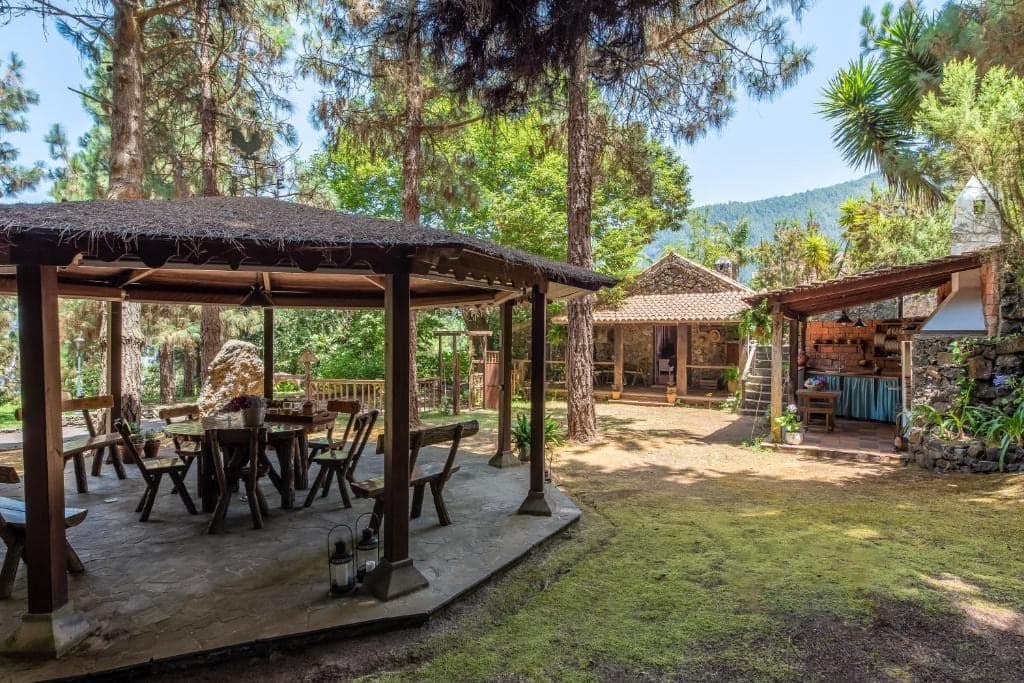
Tenerife in October and November
Read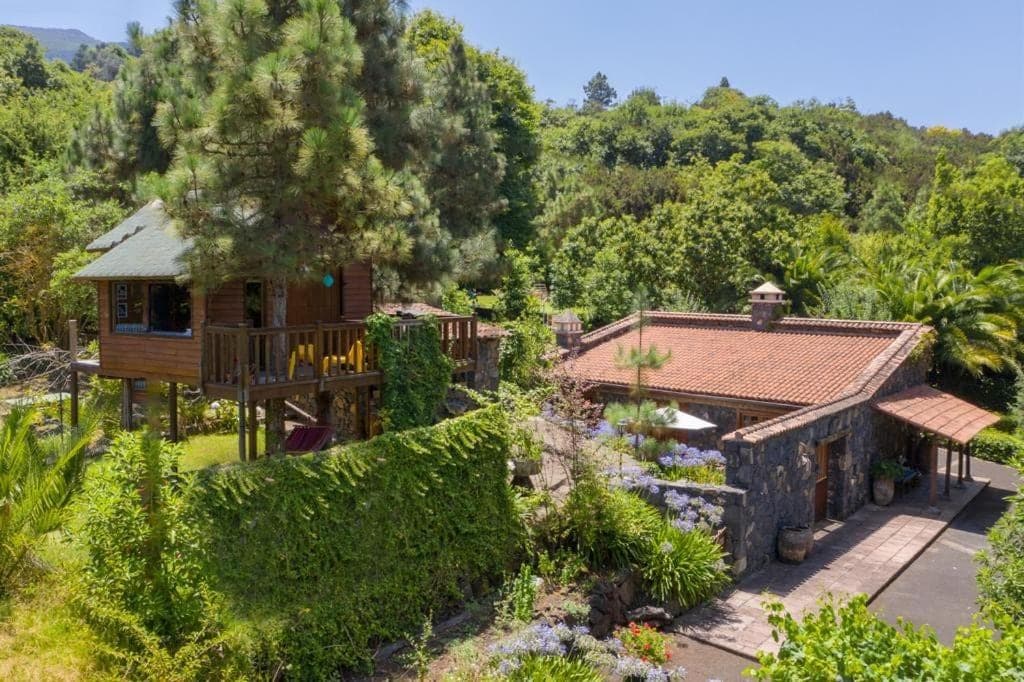
What to See in the Orotava Valley
Read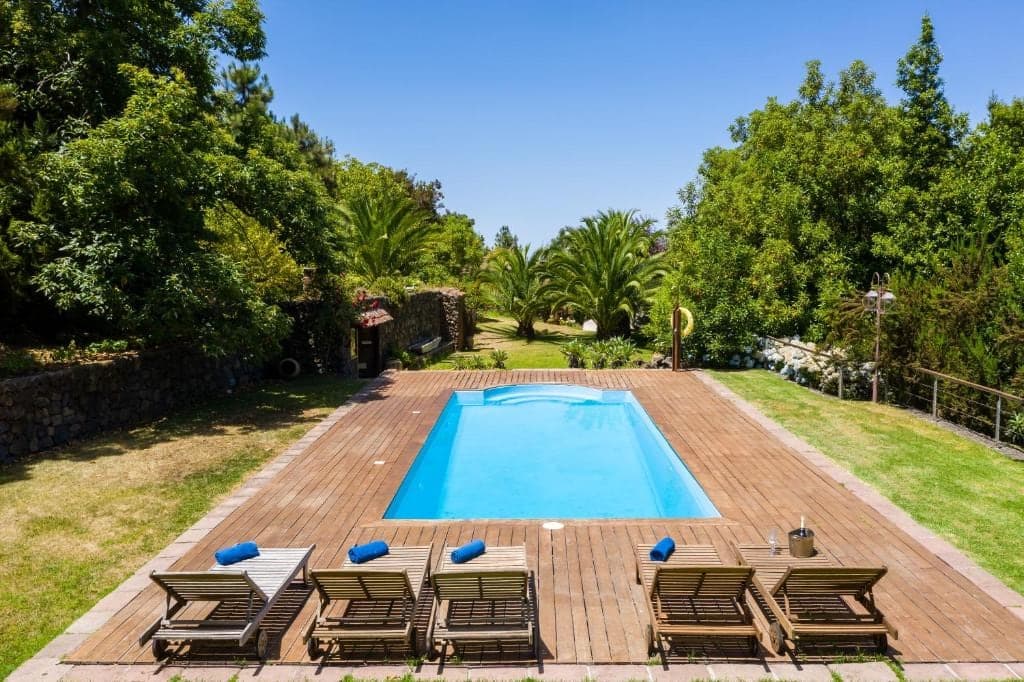
The Best Mount Teide Hikes from La Orotava
ReadWhen to Visit Tenerife: The North Coast Climate, Month by Month
ReadThe Permit to Climb Mount Teide
Read
Guachinches in Tenerife: Which Ones Are the Real Thing
Read
Can you get married in Tenerife? What couples from abroad do
ReadVisiting Mount Teide: cable car, prices and opening times
Read