
Blog · northern Tenerife
Where to stay in Tenerife: north or south, and who each one is for
Tenerife is a small island with two different climates, which is why this question comes up so often. Choosing an area here is not like choosing a neighbourhood: it changes the weather you get, what you see out of the window and how much you drive each day. We live in the north and we rent out houses, so this is written by someone with an interest. That is why I am starting with the cases where the answer is the south.
When the answer is the south, no argument
If you are coming for five or seven days to lie in the sun, swim every day and never touch a car, sleep in the south. Costa Adeje, Los Cristianos or El Médano will give you exactly that, and the north will disappoint you. There is nothing more to weigh up.
It is also the south if you are travelling with small children and want sand at the foot of the hotel, or if you are coming in January or February and the plan is the pool. The figures back it up: the south-east coast gets 19 mm of rain in October and 34 in November, against the north's 47 and 81.
And a third case: if you arrive without a car. The south is fifteen minutes from Tenerife South airport, has everything concentrated together and can be done on foot for a week. From the north, without a car, you will see half the island.
When the answer is the north
The north is green because it rains, and people who come here come for that: ravines, laurel forest, banana terraces, towns with old quarters and a valley that drops from Mount Teide to the sea. If your idea of a holiday involves walking, eating well and seeing things, the north wins comfortably.
It is also where most of what people remember about Tenerife actually is: the old quarters of La Orotava and La Laguna, the Botanical Garden and the Martiánez lakes in Puerto de la Cruz, the guachinches, the Anaga forest and the shortest road up to Mount Teide.
And there is one thing nobody mentions that decides trips: you eat differently in the north. Guachinches are family houses that sell their own wine with simple food, they do not exist in the south, and they are half the reason people come back.
What they will not tell you about the north
The panza de burro is real. It is a cloud layer that settles over the northern slope and blots out the sun, and in summer it is there almost every day: the temperature inversion that produces it shows up on 97 % of August days, according to a study of 7,306 weather balloons launched from the island. What almost nobody knows is that it eases off in autumn and winter — the northern station records 9.5 foggy days in August against 5.1 in October.
The northern beaches are black sand, with swell, and some fly a red flag often. Locals swim there; it is not the postcard beach.
And it rains. In November, eight days out of thirty. It is rarely a whole day of water — showers that open and close — but if you came to guarantee sunshine, this is not your side of the island.
Area by area, two lines each
Within each half of the island the differences are large, and picking the wrong area costs you more than picking the wrong hotel.
- Puerto de la Cruz — the northern town. Everything on foot, plenty to do, alive all year. Stay here if you would rather not drive daily.
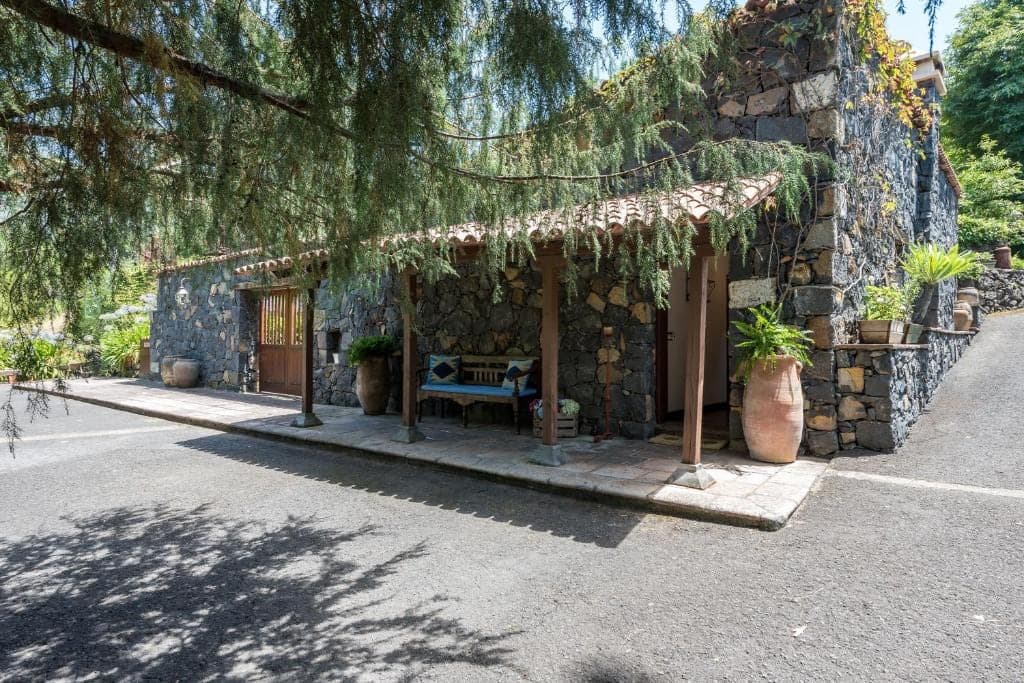
- La Orotava and its valley — a town with a historic quarter and countryside around it, fifteen minutes from Puerto and twenty from Mount Teide. This is where we are. You need a car.
- Los Realejos and Garachico — quieter still, very handsome, further from everything. For genuine silence.
- La Laguna — the university city, a World Heritage site, with the best street life on the island. Cold and damp compared with the rest.
- Anaga — scattered houses in the forest, hairpin roads, mist. Spectacular, and not for anyone prone to car sickness.
- Costa Adeje — the upmarket south. Guaranteed sun, big beaches, high prices.
- Los Cristianos — busier and better value, with the ferry port for La Gomera.
- El Médano — wind, kitesurf and blond sand. The south's most characterful spot.
- Santa Cruz — the capital. Practical, urban, twenty minutes from the Anaga beaches.
How long it really takes to get anywhere
The island is about 80 km end to end with motorways along both coasts, so the distances are less frightening than they look. From the Orotava Valley up to the Teide National Park takes twenty to thirty minutes. To Puerto de la Cruz, fifteen. To Santa Cruz and La Laguna, a long half hour.
What is genuinely long is crossing the island: north to deep south runs between one hour and an hour and a half depending on traffic, and that is the real reason not to get your area wrong. A beach day in the south from the north is doable; doing it five days running is not.
One warning about northern roads: they are narrow and full of bends the moment you leave the motorway. The times on the map hold, but you drive with more attention.
If you are only here four days, and if you have a week
With four days, pick one half and stay put. Changing accommodation on a short trip eats half a day in check-outs, check-ins and luggage. If you came to see the island, north; if you came to rest, south.
With a week or more it does pay to split: three or four nights in the north for Mount Teide, Anaga, La Laguna and the towns, then the rest in the south for the beach. In that order, too, because ending horizontal beats starting horizontal.
There is a third option that works better than it sounds and hardly anyone uses: sleep in the north throughout and drive down to the south for two separate beach days. It comes out cheaper, and the afternoons get spent in the garden instead of in the car.
With a car or without one
In the south you can manage a week without a car. In the north you cannot, unless you sleep in central Puerto de la Cruz or La Laguna and settle for the bus.
Car hire in Tenerife is cheap compared with mainland Spain, and so is fuel. If your plan includes Mount Teide, Anaga or the guachinches, the car is not optional — it is half the trip.
One practical note: to go up Mount Teide in summer you need an early start. From mid-morning the Roques de García car parks fill up and the summit clouds over.
We are in the Orotava Valley: our three houses sit on a 17,000 m² estate with a shared pool facing Mount Teide and an ethnographic park inside it. If you have read this far and think the north is your side, write to us with your dates and we will tell you frankly whether we suit you or whether another area would serve you better.
José Martín
Host of Hacienda Verde. He has spent years welcoming guests and exploring the Orotava Valley and Mount Teide.
Sleep in the valley, not on the coast.
Three rural houses inside an ethnographic park in La Orotava, 20-30 minutes from Mount Teide. You gain time and sleep surrounded by nature.
Keep reading
A birthday or a family lunch at a Tenerife estate: what to ask
Read
Accommodation with a view of Mount Teide
Read
Where to hold a wedding in Tenerife
Read
A romantic break in northern Tenerife
Read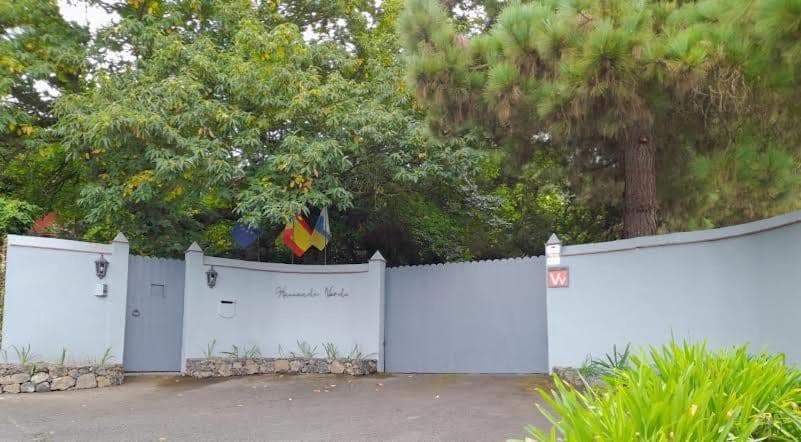
Getting to La Orotava and around the north
Read
An intimate wedding in Tenerife
Read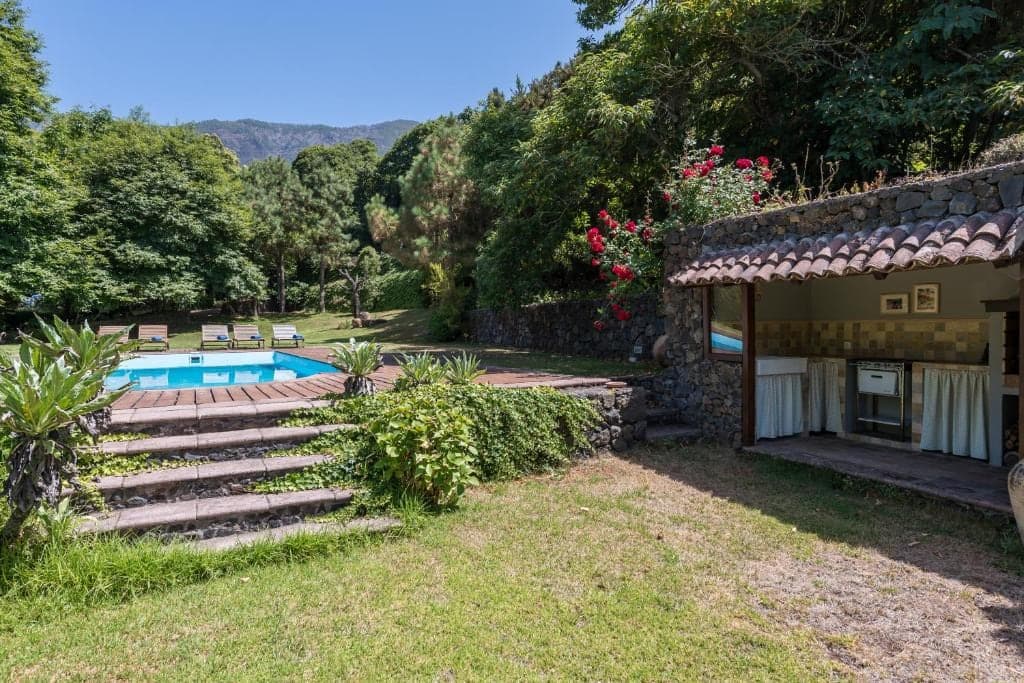
Tenerife villa with a pool
ReadA wedding at a Tenerife estate
Read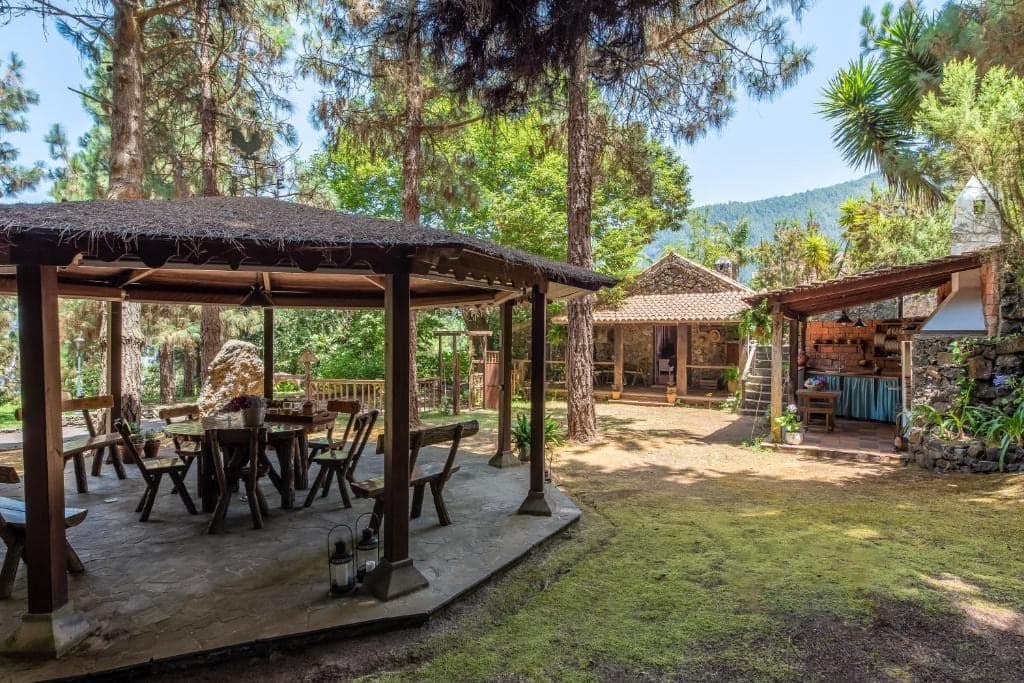
Tenerife in October and November
Read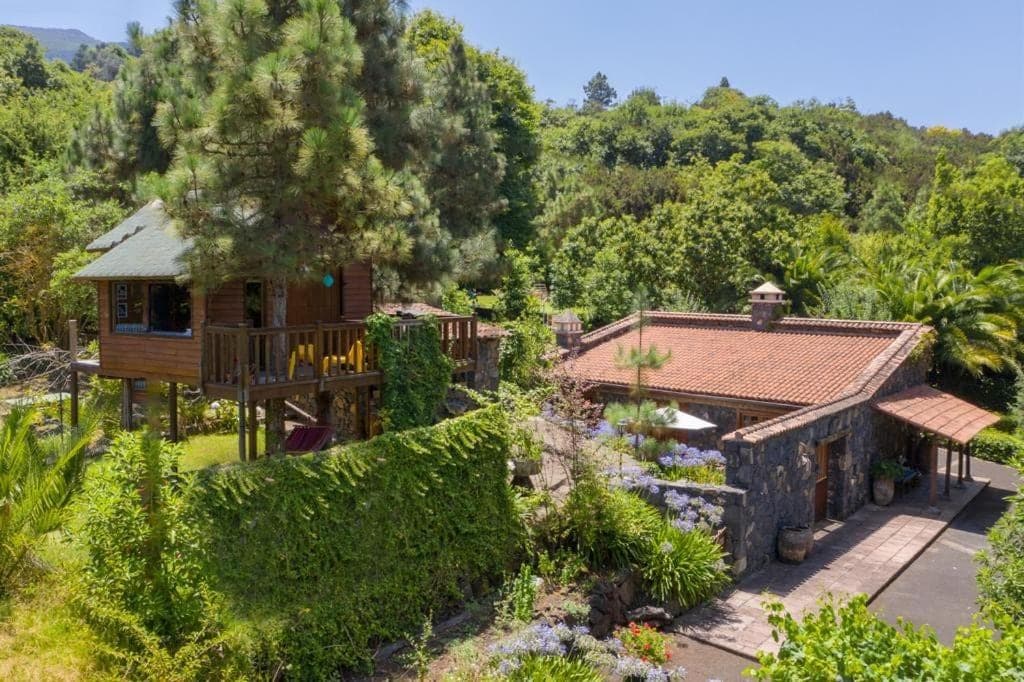
What to See in the Orotava Valley
Read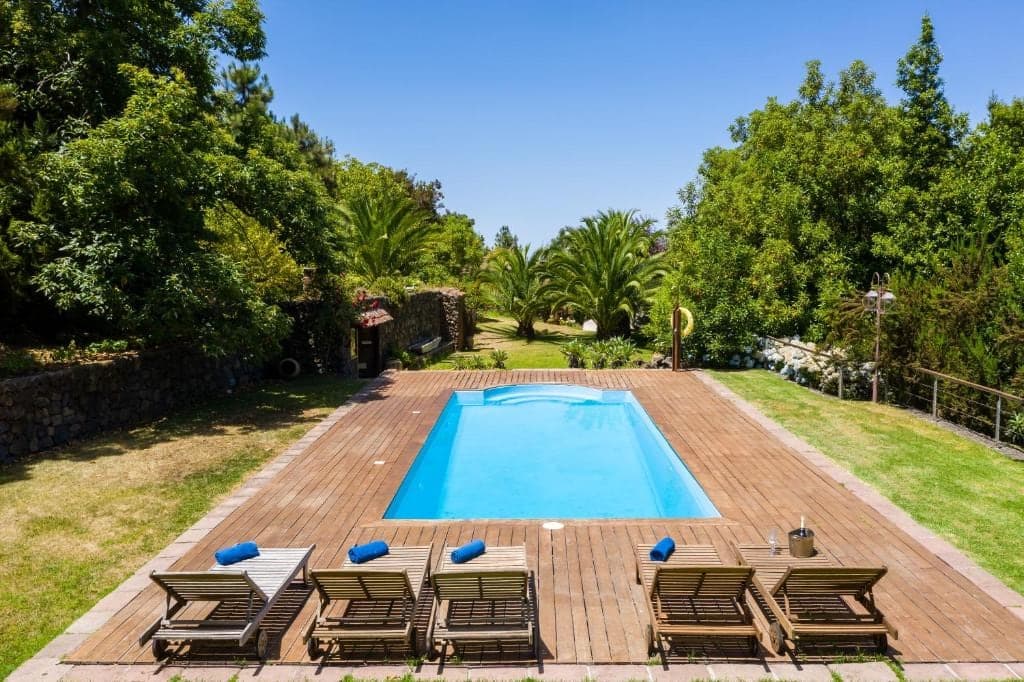
The Best Mount Teide Hikes from La Orotava
ReadWhen to Visit Tenerife: The North Coast Climate, Month by Month
ReadThe Permit to Climb Mount Teide
Read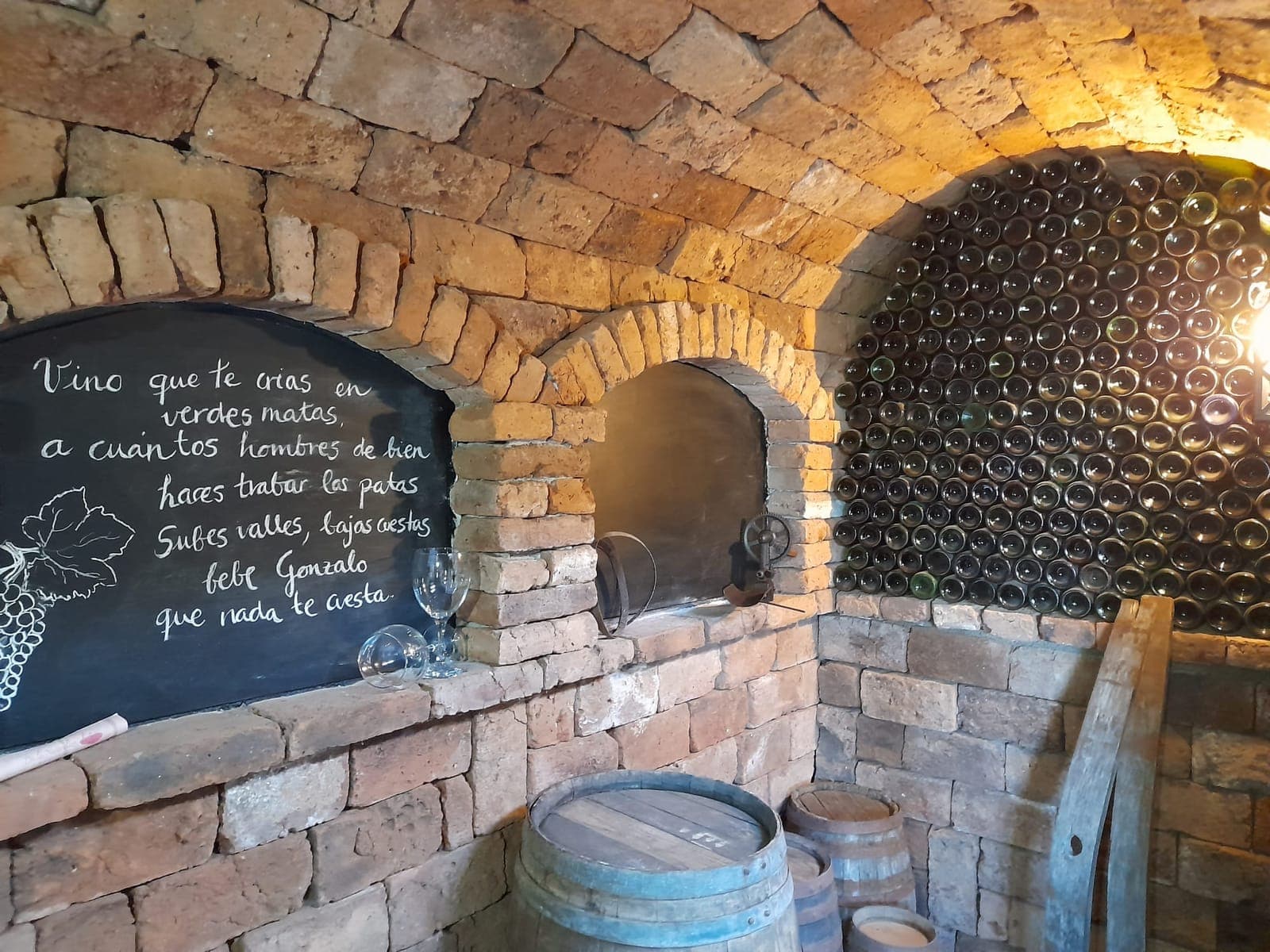
Guachinches in Tenerife: Which Ones Are the Real Thing
Read
Can you get married in Tenerife? What couples from abroad do
ReadVisiting Mount Teide: cable car, prices and opening times
Read