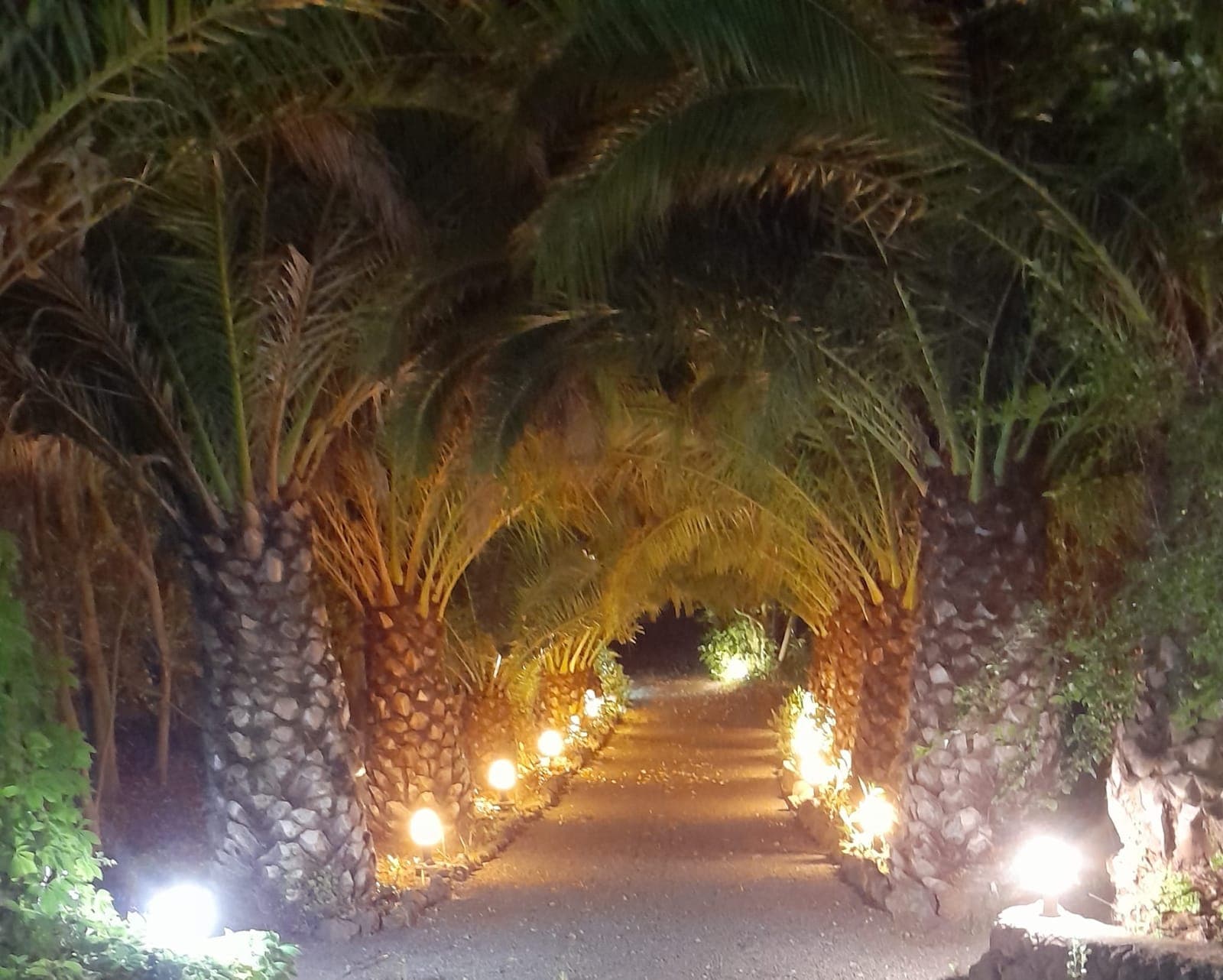
Blog · northern Tenerife
A romantic break in northern Tenerife: why winter is its best moment
Most of the couples' breaks we get are two or three nights and fall between November and March. It makes complete sense, even if it runs against the idea that the Canaries are a summer thing: in those months the north is at its best and there is nobody about. Here is what fits into a long weekend and what is worth knowing before booking.
The figure that turns the season on its head
The standing complaint about the north is the cloud: that grey layer that blots out the sun, known here as the panza de burro. What almost nobody knows is that it is mainly a summer phenomenon.
The official AEMET station in the north, at 632 m, records an average of 9.5 foggy days in August and 10.7 in July, against 5.1 in October and 5.3 in November. High summer has roughly double. A study of 7,306 weather balloons launched from the island arrives at the same place by another route: the temperature inversion that produces the layer shows up on 97 % of August days and falls below 85 % from November to February.
Translated into what matters: in winter you are considerably likelier to have breakfast with a clear Teide in front of you than in August.
And the sea stays mild longer than you think
Water takes months to cool, so it lags behind the air. Using the daily Puertos del Estado series for Canary waters since 2005, the November average is 22.6 °C — milder than July, which sits at 22.3 °C.
That is not swimming-every-afternoon-in-December weather, but it does mean a walk along the coast is not a wrapped-up affair, and that the natural pools and rock pools still make sense for much of the autumn.
What does drop sharply is the light: 155 hours of sun on average in November against 269 in August, and after the clock change on the last Sunday in October it gets dark before seven. The shortest day of the year here still runs to ten hours and twenty minutes, which is more than almost anywhere in Europe.
Two nights: the minimum plan that works
Two nights is not enough for the whole island, and the mistake is trying. The plan that works best is to stay in the valley and do one big thing.
Day one: arrive without rushing, walk down into La Orotava for the old quarter — cobbled streets on a slope, mansions with tea-pine balconies, Canarian courtyards — and eat at a local guachinche. A guachinche is a family house selling its own wine with simple food; they do not exist in the south and they are half the reason to come north.
Day two: up to Teide early. From the valley the national park is a twenty to thirty minute drive, and in winter there is a fair chance of finding snow up there while you are in shirtsleeves below. It is the contrast nobody expects from the Canaries.
The third morning, if there is one: the sea. Puerto de la Cruz is fifteen minutes away, with its botanical garden and its old fishing quarter.
What to know before booking in winter
It rains, and you should plan for it. The northern station records 81 mm in November spread over just above eight days: roughly one day in four with appreciable rain. It is rarely a whole day of water — showers that open and close — but bring a windbreaker and do not plan the break to the minute.
Nights are cool, particularly above 500 m. A house with a fireplace or decent heating changes a January weekend a great deal, and it is one of the things nobody checks when booking.
And it is genuinely cold up top. At the summit station, 2,369 m, there are frosts on nearly four days on average in November, with lows of 4.5 °C. Go up wrapped even if you are in a T-shirt down in the valley.
Why a house rather than a hotel
For two people and two nights the difference is not the price: it is that a house has no corridor, no lift and no breakfast at a set hour. You can have dinner on the terrace at eleven or breakfast at noon without it being anybody's problem.
On a large estate something else is added: the quiet. Not the quiet of a calm hotel, but of not hearing anybody at all. It is what most of the couples who come in winter say they were after, even when they did not write it in the booking message.
Our three houses are separate and spread across a 17,000 m² estate, with a shared pool facing Mount Teide and an ethnographic garden holding a century-old wine press, a threshing floor and old washhouses. They are on the houses page, with what each one includes.
If you are coming as a couple and want to fine-tune the dates
Between November and March the weeks differ a good deal from one another. We break it down month by month — temperatures, rain and hours of sun — in the guide on when to visit northern Tenerife.
And if you are still weighing this half of the island against the other, where to stay in Tenerife: north or south sets out the real differences, including the cases where the south suits you better.
If you are looking at a winter weekend and want to know what the weather tends to do on those particular days and what is open, write to us with the dates. We will tell you straight, even if the answer is that the week you picked is not the best one.
José Martín
Host of Hacienda Verde. He has spent years welcoming guests and exploring the Orotava Valley and Mount Teide.
Sleep in the valley, not on the coast.
Three rural houses inside an ethnographic park in La Orotava, 20-30 minutes from Mount Teide. You gain time and sleep surrounded by nature.
Keep reading
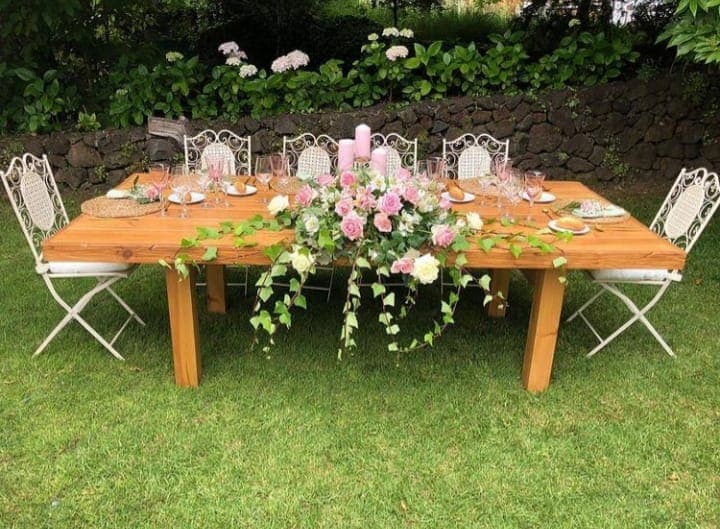
A birthday or a family lunch at a Tenerife estate: what to ask
Read
Accommodation with a view of Mount Teide
Read
Where to hold a wedding in Tenerife
Read
Getting to La Orotava and around the north
Read
An intimate wedding in Tenerife
Read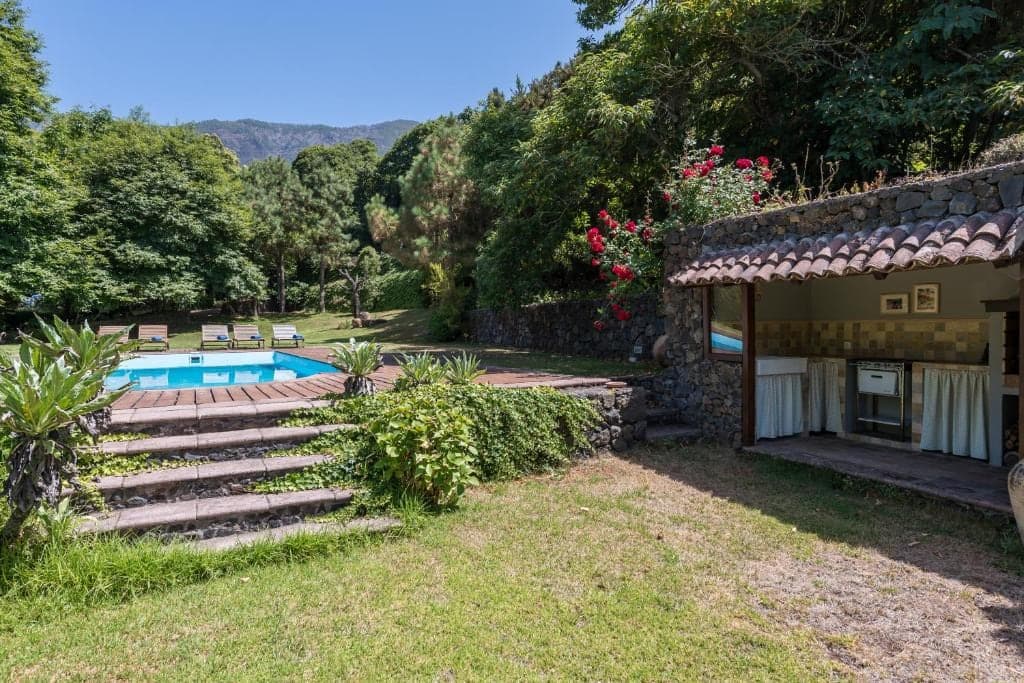
Tenerife villa with a pool
ReadWhere to stay in Tenerife: north or south
ReadA wedding at a Tenerife estate
Read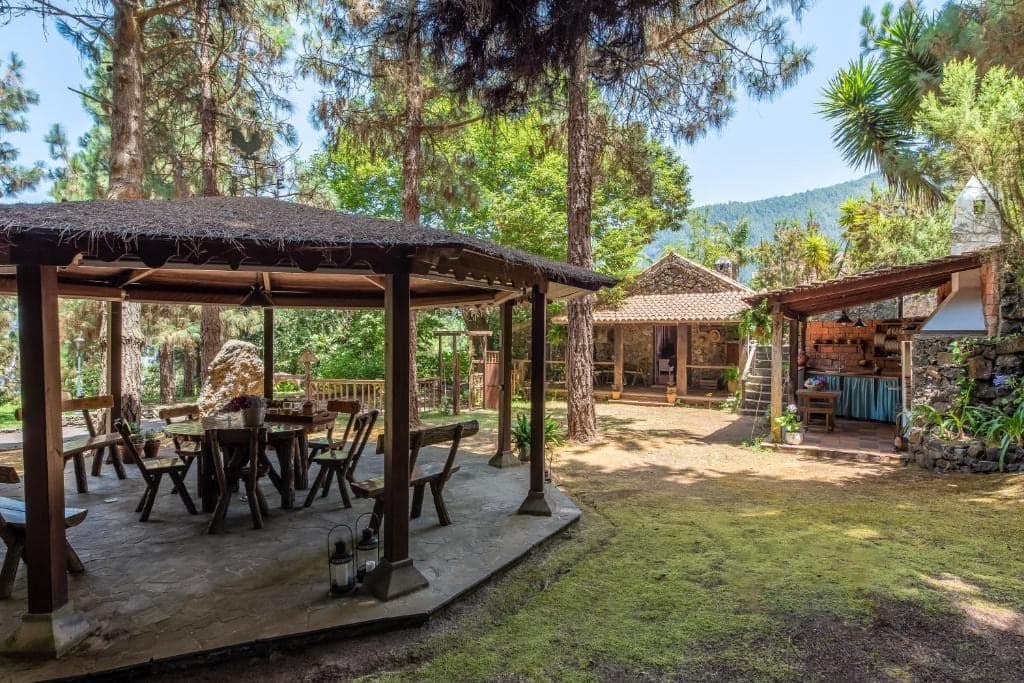
Tenerife in October and November
Read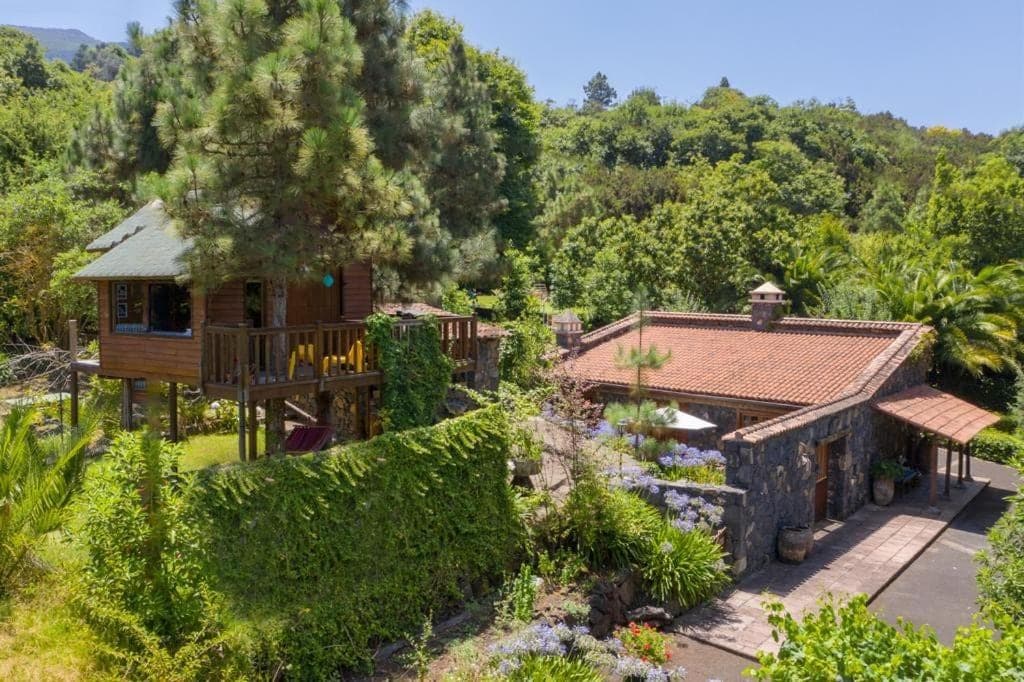
What to See in the Orotava Valley
Read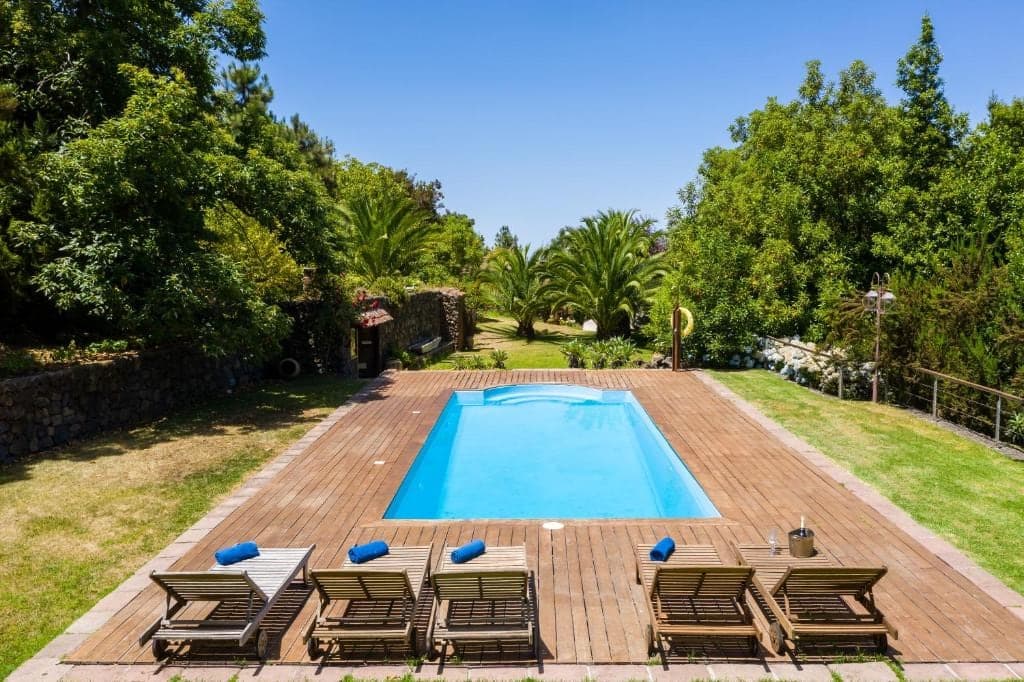
The Best Mount Teide Hikes from La Orotava
ReadWhen to Visit Tenerife: The North Coast Climate, Month by Month
ReadThe Permit to Climb Mount Teide
Read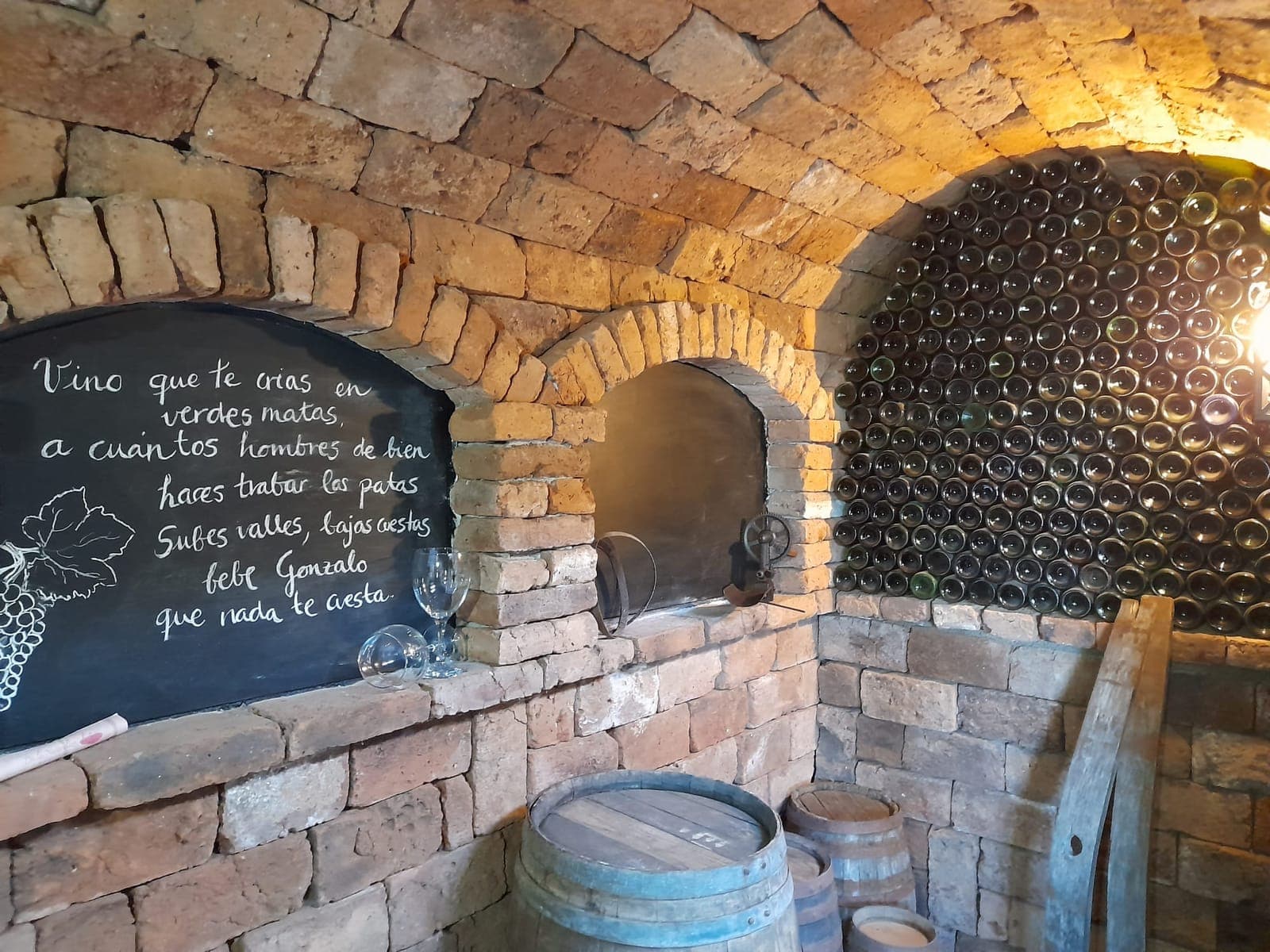
Guachinches in Tenerife: Which Ones Are the Real Thing
Read
Can you get married in Tenerife? What couples from abroad do
ReadVisiting Mount Teide: cable car, prices and opening times
Read